












My Journey: From Family Kitchen to Busy Market Stand
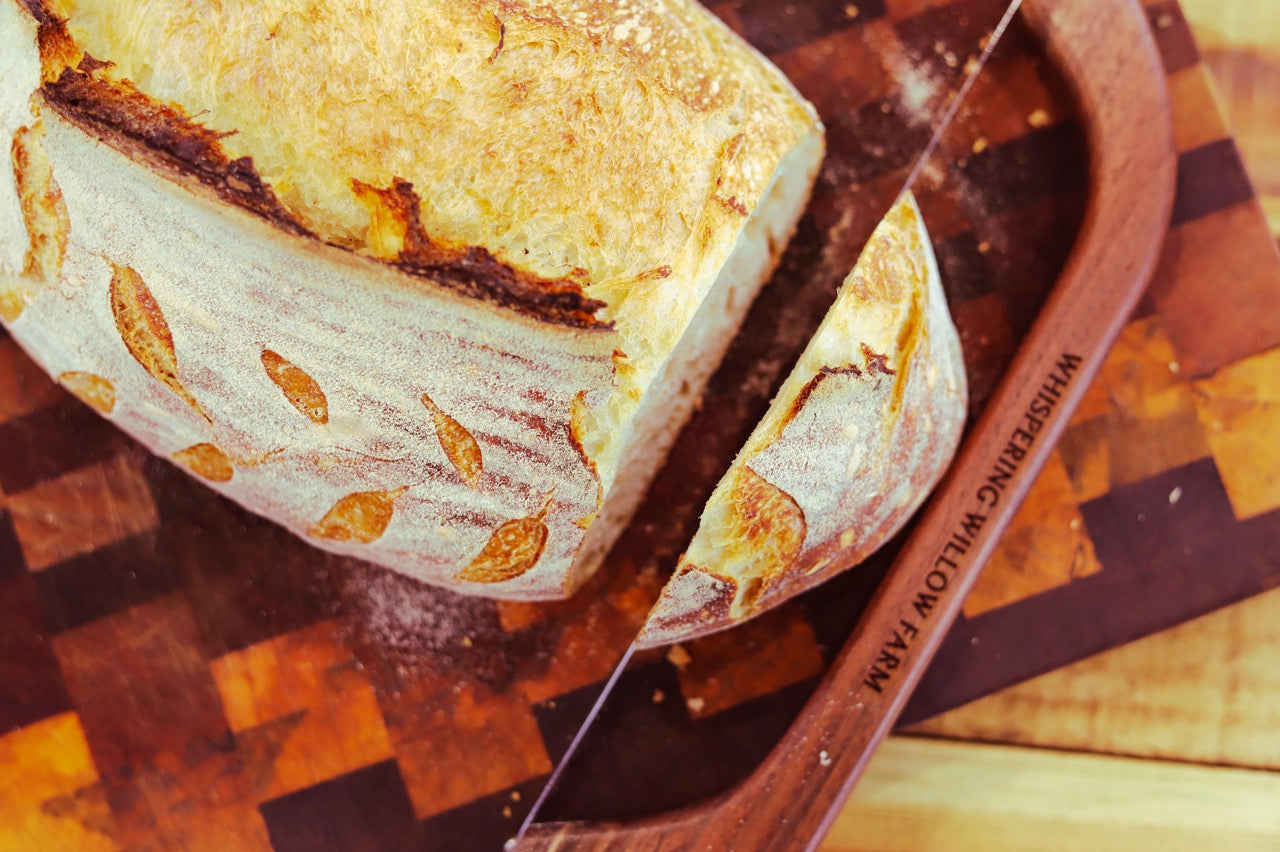
My home bakery did not start as a business. My husband and I are full-time farmers. We grow food and flowers for our local market. At first, I baked fresh, nutritious sourdough bread only for my family. This was to help with our own gluten intolerances. Over time, I realized others might want this bread too.
I decided to try selling it. What began as a family hobby turned into a real income stream. Now, we sell over 100 loaves at the farmers market every single week. We also run a small bread subscription from our farm. The best part? This venture fits perfectly into our farming lifestyle. It uses our home kitchen and just a few hours of focused time each week.
Getting Started: Your Shopping List and Workflow
You do not need an expensive commercial kitchen or fancy equipment. The bottleneck for most home bakers is not a mixer. It is space. You need room to proof your dough, store finished loaves, and let bread cool. Start by planning your workflow in your own kitchen. I created a free guide to starting sourdough if you need a place to get started!
Essential Equipment to Buy First
- Digital Scale: For precise measuring of ingredients.
- Mixing Bowls & Containers: Use large, lidded containers for bulk fermentation. I bought mine from a restaurant supply store. Prices range from $6.25 to around $27 each.
- Baking Pans: For my focaccia, I use 9-inch by 2-inch round aluminum pans.
- Oven: Your normal home oven is enough. A convection setting helps bake more evenly.
- Cooling Racks: Vital for cooling bread completely before packaging.
What Not to Buy Right Away
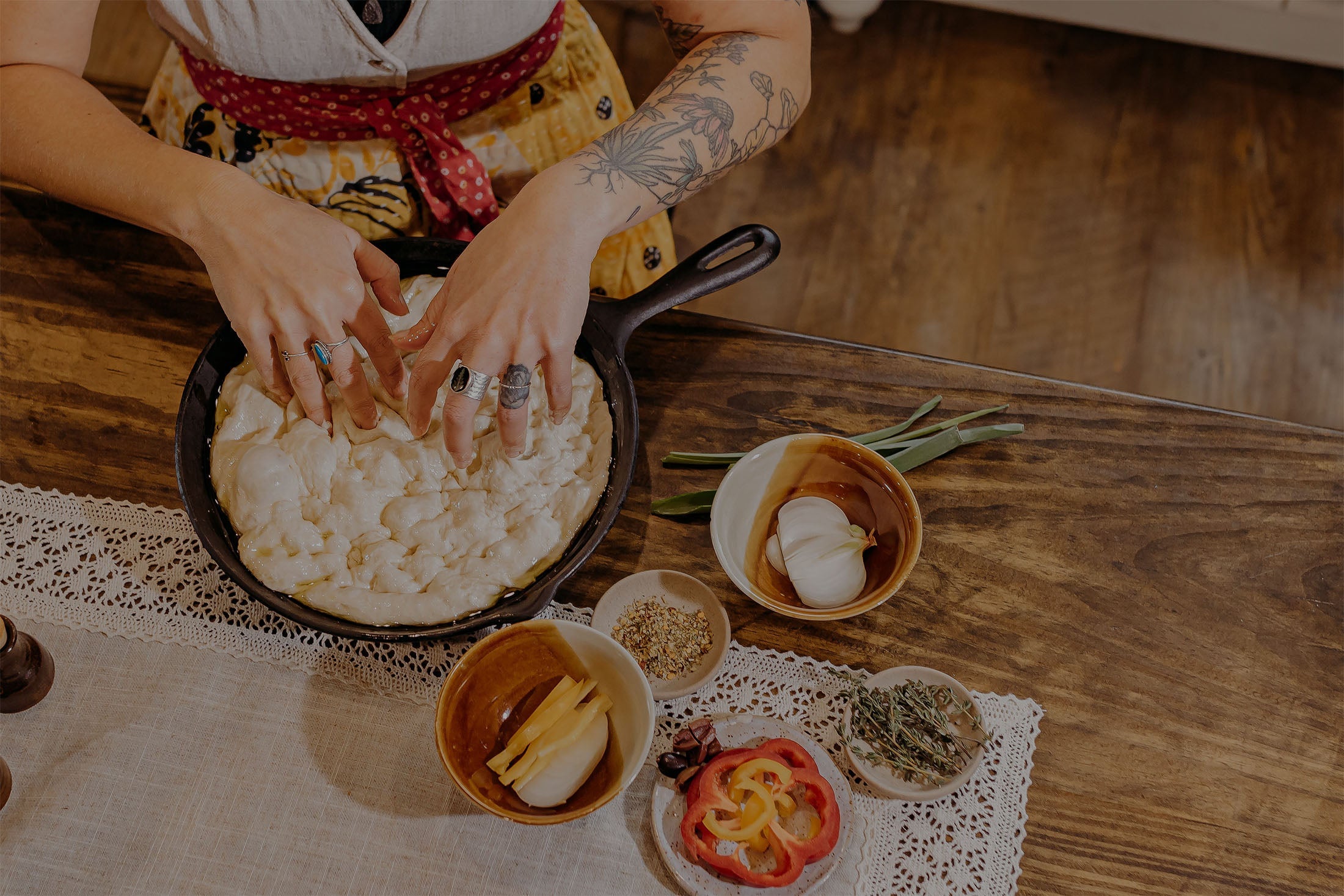
I mix all my dough by hand. I do not use a stand mixer. This was a deliberate choice to keep costs low. I also learned a key lesson about container size. I bought some very large dough tubs. Mixing 40 loaves of dough by hand in them took over 45 minutes. That was a massive time drain.
I now prefer smaller batches of 10 loaves at a time. It is faster and less tiring. In total, I spent about $200 on all my weekly containers. Do not spend thousands upfront. Start with the basics and grow as your business grows.
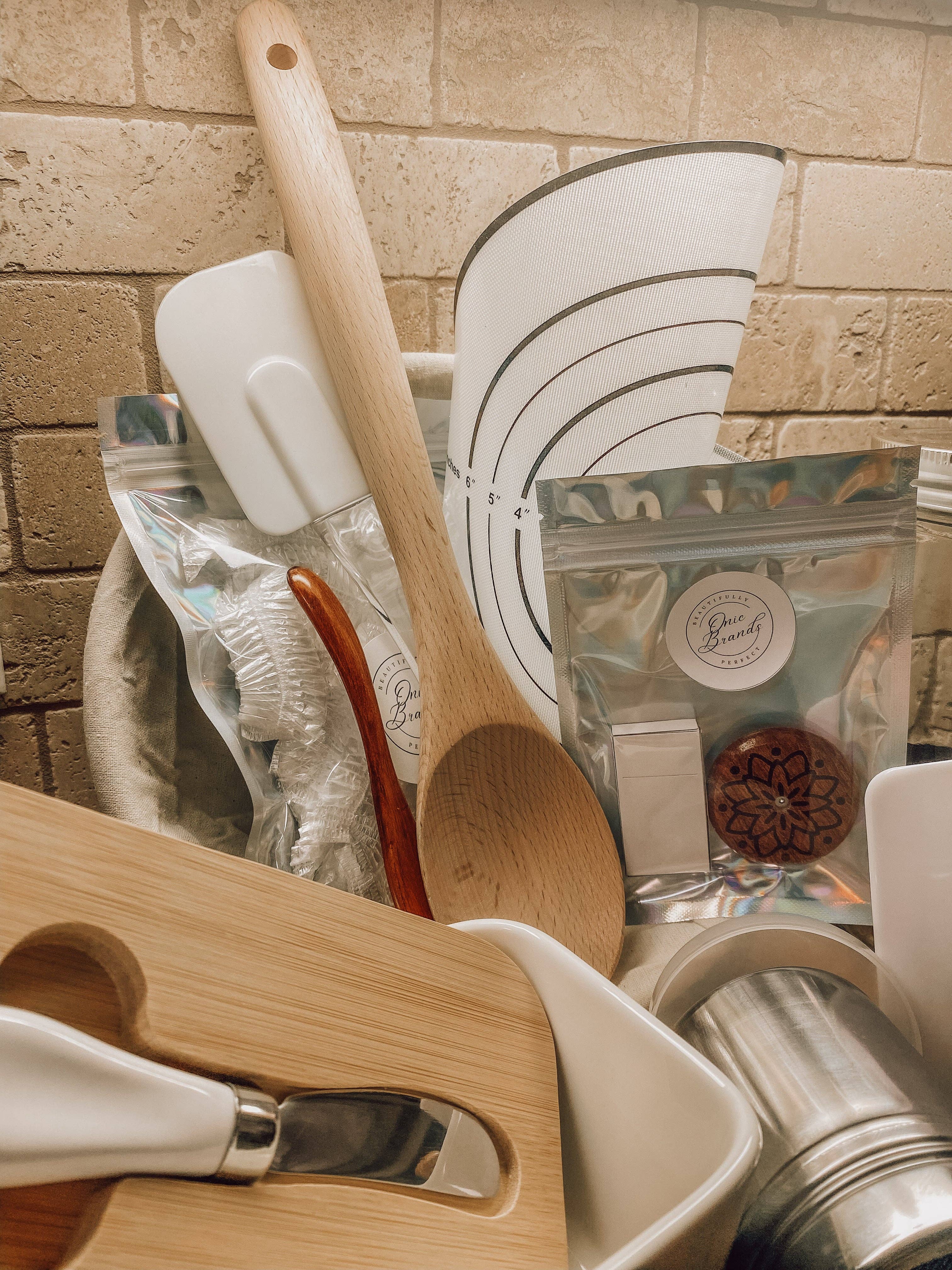
I have all of my go to sourdough supplies linked in our Whispering Willow Shop where you can find tried and true products I actually use, along with e-books and guides to help you along on your journey.

The Most Important Step: Know Your Local Laws
Before you sell a single loaf, you must research your local regulations. This is the most critical part of starting any food business. Laws are different in every state and county.
In my state, Arkansas, we have a "Freedom Food Act." My cottage food laws are quite friendly. I do not need a commercial kitchen or a special license to sell my bread from home. However, I do have very clear responsibilities.
I must follow all standard food safety rules. This means keeping a clean kitchen and washing my hands regularly. I also must label every single loaf I sell. The label must include:
- Where it was baked (my home kitchen address).
- A full list of ingredients.
- The date it was baked.
- A statement that it was "Made in a Home Kitchen."
I created a simple label template using Canva. I print these labels every week and stick them on my packaging. This keeps me compliant with the law. Your state may have different rules. A friend in another state had to take an online food safety class. She must renew her certification every year.
You must do your due diligence. Contact your state's department of agriculture or health. Find out exactly what is required before you start baking to sell.
Keep It Simple: What to Sell and Why
When you are starting, less is more. Do not offer 10 or 20 different products. In fact, I would not offer more than five or six. You should begin with one thing you can make exceptionally well.
Every new product adds complexity. It means more ingredients to stock. It creates more chances to make a mistake. You could run out of something important. I focused on mastering one product: sourdough focaccia. I learned to make an exceptional loaf. Then, I created a few popular flavors. I later added one simple French loaf.
Look at your local market. When I went to my farmers market, I saw three other vendors selling classic sourdough rounds. The market for that was already full. I decided to sell something different. I chose to offer focaccia, which no one else had.
Start simple. Sell out. See what your customers love. Then, and only then, consider expanding your menu. This will save you time, money, and stress.

Finding Your First Customers: The Real Challenge
Many think baking the bread is the hardest part. I disagree. The real challenge is finding your customers. You can bake the most beautiful loaf in the world. But if no one knows about it, you will not make any sales.
If I were starting over today, I would focus on one thing. I would become known for one product in one community. Do not try to sell everywhere. Do not try to be in every market. Pick one market, one town, or one pickup location. Then, show up consistently.
Consistency builds trust. Trust creates repeat customers. Repeat customers create predictable income. The goal is not just selling bread one time. The goal is becoming part of someone’s weekly routine. When a customer buys from you every Saturday for six months, your business becomes stable. You are no longer convincing someone to try your bread. You are simply filling an order they already planned to make.
Here are a few ways to sell your bread:
- Farmers Markets: This works well if you can travel to where customers are. I sell out every week at mine.
- Bread CSA (Subscription): Customers order and pay ahead for weekly pickups. This is great if you live in an urban area with easy pickup.
- Roadside Stand: If you live on a well-traveled road, a simple stand can work.
- Local Business Partnerships: Drop off loaves at a local coffee shop or grocery store.
For me, the farmers market was the perfect fit. It matched our farming schedule and brought us right to our community.
A Real Look at the Numbers: Costs and Profits
Let’s talk about money. The startup costs for a home bakery are low. The ingredients are simple: flour, water, salt, honey, and sourdough starter. The profit margins can be very good. I did not realize how good until I put everything into a spreadsheet.
My pricing is based on what I would be willing to pay. I want my bread to be accessible to my community. I sell most basic focaccia loaves for $11. Specialty flavors, like garlic parmesan or jalapeno cheddar, sell for $12. A special cinnamon roll focaccia sells for $14. My French loaves sell for $10.
I bake over 100 loaves each week. Each Saturday at the market, I make between $1,300 and $1,900 in sales.
Breaking Down a Sample Week
Let's look at the profit for a larger batch of 128 loaves. This shows how efficient you can become.
Now, let's look at the expenses to make that money.
Cost of Goods Sold (Ingredients & Supplies): Flour, olive oil, honey, toppings, and packaging for 128 loaves cost about $124. That means only about 8% of my revenue is spent on the actual bread materials. This is why bread is an attractive product to sell.
Paying Yourself for Labor: This is a crucial step many small businesses forget. Your time has value. Even if you are the owner, you should pay yourself a fair wage. For this example, let's say I work 14 hours total on baking and selling. If I pay myself $25 per hour, that is $350 in labor costs.
Calculating Final Profit: Start with the gross sales: $1,527. Subtract the cost of goods: -$124. Subtract your own labor: -$350. This leaves a business profit of $1,053.
This profit can be reinvested into better equipment. It can help you bake more. Or, it can be extra income for your family. Remember, this is not passive income. You are trading your time and skill for money. But with good systems, it can be a very efficient trade.
Your Action Plan: How to Start This Week
If you feel inspired to start, here is your simple plan of action.
- Research Your Laws. This is your absolute first step. Find out what your state requires for a cottage food business.
- Master One Recipe. Bake for your family and friends until you perfect one loaf. Get their honest feedback.
- Find Your One Market. Visit a local farmers market. See what others are selling. Talk to the market manager about becoming a vendor. Or, consider a simple pre-order system for friends and neighbors.
- Buy Minimal Equipment. Get a scale, a few large containers, and your baking pans. Use your home oven.
- Price for Profit. Calculate your cost per loaf. Then, decide on a fair price for your area. Do not undercharge for your hard work.
- Show Up Consistently. Once you start, commit to a schedule. Whether it's every Saturday or every other Thursday, be reliable. Your customers will depend on you.

Start Small and Build Confidence
Starting a home bakery is thrilling and can be a little scary. I was terrified my first week. I worried the bread was not baked through. I feared no one would like it. I did not know how to set up a market booth. But I did it anyway. As the weeks passed, it became less scary. My confidence grew with every happy customer.
You do not need a storefront or a lot of money to begin. You need a product people enjoy, a willingness to learn, and the courage to start.
Begin with one great loaf. Serve your first customers well. Let your small business grow naturally from there. The bread you bake this week could be the start of something wonderful for you and your family.


