













If you've been around Whispering Willow Farm for any length of time, you know I'm all about growing food that actually serves our family.
When people ask me what they should grow to save money, my answer is always the same:
Don't grow what everyone else grows. Grow what YOU buy.
The biggest savings don't come from growing trendy crops. They come from replacing the foods that regularly show up on your grocery receipt.
When I think about which crops save us the most money, I'm not just looking at what costs the most at the store. I'm also considering:
-
How often we eat it
-
How much it produces
-
What it costs to buy
-
How long it feeds us
These are the crops that consistently give us the biggest return from our garden year after year.

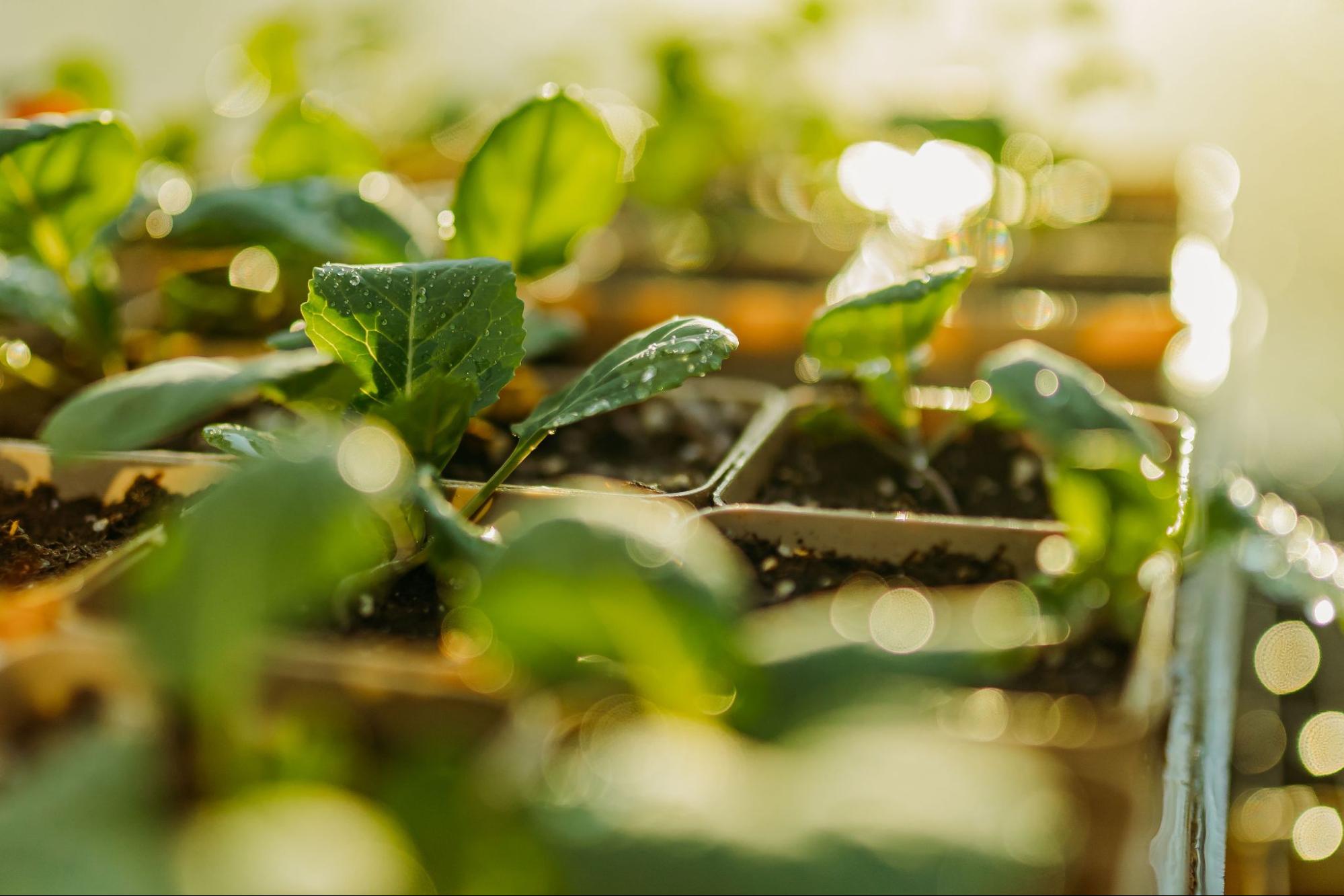
#10 Leafy Greens
Think kale, lettuce, arugula, and Swiss chard.
Organic greens can easily cost $5 or more per container at the grocery store, and often spoil before they're fully used.
A single planting can provide harvest after harvest for weeks, making leafy greens one of the easiest ways to reduce your grocery bill while enjoying incredibly fresh food.
#9 Herbs
Basil, parsley, cilantro, and dill may not take up much space, but they offer huge value.
One basil plant can produce more than dozens of those little grocery store herb packages.
Fresh herbs elevate nearly every meal, and growing your own means you always have them on hand when you need them.

#8 Garlic
Garlic earns its place on this list because we use it nearly every single day.
We cook with it constantly, add it to ferments, use it in sauces, soups, and dressings, and store it for months after harvest.
Plant it once in the fall, harvest it the following summer, and enjoy homegrown garlic for much of the year.
#7 Onions
They're not glamorous, but they're one of the hardest-working crops in our kitchen.
We use onions in:
-
Soups
-
Roasts
-
Sauces
-
Egg dishes
-
Skillet meals
Few crops appear in our cooking more often, which makes them one of the most practical things to grow.

#6 Peppers
Bell peppers have become increasingly expensive, and specialty peppers can be even worse.
The good news?
A handful of pepper plants can continue producing for months, providing fresh peppers for meals, preserving, freezing, and fermenting.
#5 Carrots
Carrots are one of the most efficient crops we grow.
You can fit hundreds of carrots into a relatively small garden bed, creating an impressive harvest from a modest amount of space.
We use carrots for:
-
Fresh snacks
-
Soups and stews
-
Roasting
-
Juicing
-
Homemade broth
A small patch can feed your family for months.

#4 Potatoes
Potatoes aren't just vegetables.
They're meals.
Roasted potatoes, mashed potatoes, hash, soups, casseroles—the possibilities are endless.
They're filling, productive, and store beautifully, making them one of the most valuable crops for a self-reliant kitchen.
#3 Cucumbers
Anyone who has grown cucumbers knows exactly why they made this list.
One healthy cucumber plant can feel downright ridiculous.
We use them for:
-
Fresh eating
-
Salads
-
Pickles
-
Ferments
Once cucumber season starts, it seems like they never stop producing.
#2 Tomatoes
Tomatoes are one of the hardest-working crops in our summer garden.
We enjoy them fresh, preserve them as sauce, make salsa, can them for winter meals, and turn them into soups and countless recipes.
A healthy tomato plant can produce pounds and pounds of food throughout the season.

#1 Winter Squash
This may surprise some people, but winter squash takes the top spot for us.
Why?
Because it combines three things I value most:
-
Heavy production
-
Long storage
-
Months of food
A harvest gathered in September can still be feeding your family in January.
That's hard to beat.
The Biggest Lesson
At the end of the day, the most valuable crop isn't necessarily what's on my list.
It's the crop that replaces what your family buys most often.
Take a look at your grocery receipts.
What vegetables show up every week?
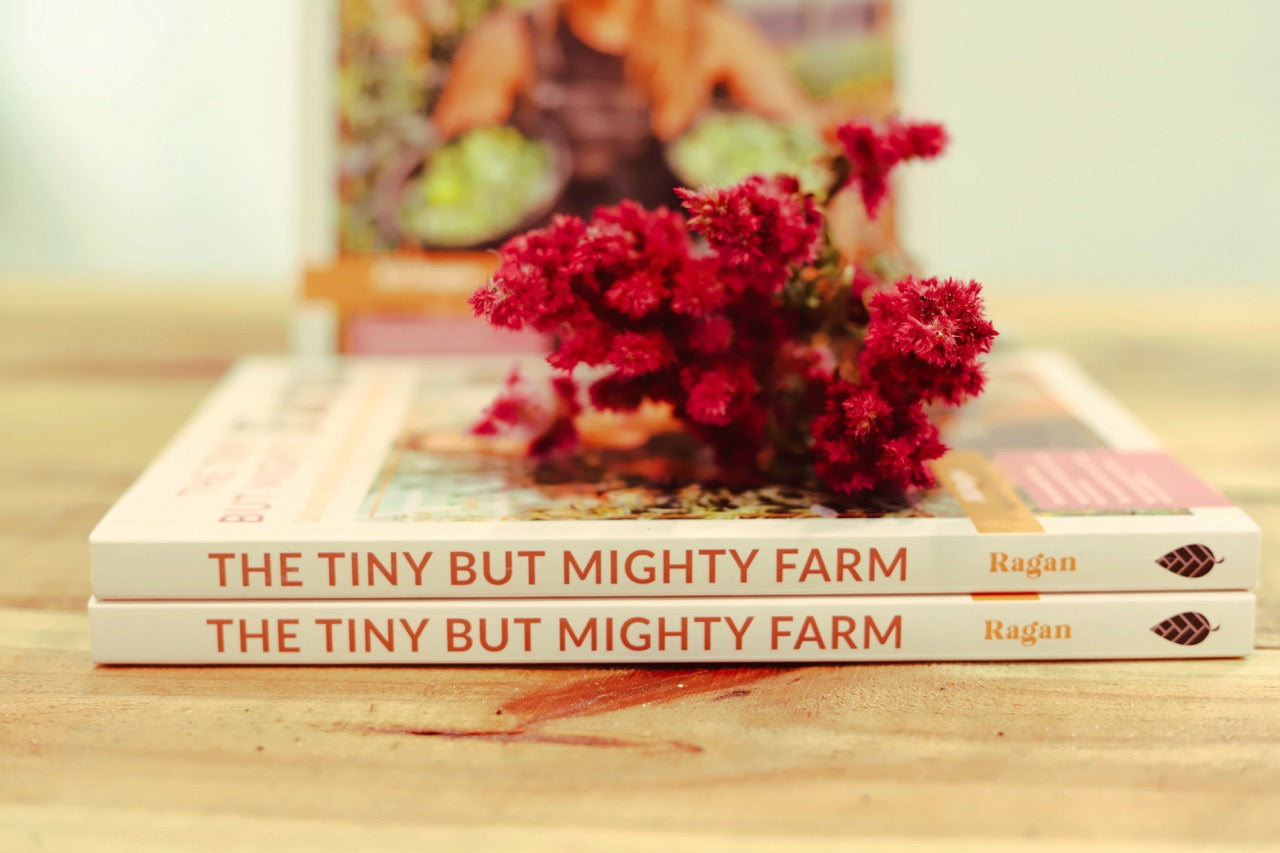
When you grow what your family already eats, your garden becomes more than a hobby—it becomes a practical tool for saving money, feeding your family, and building a more resilient home food system. I talk a lot more about this in my book The Tiny But Mighty Farm if you want to dig in deeper.
What ingredients do you reach for again and again?
Start there.
And in my experience, that's where the real savings happen.


