






There is something really special about the garden in May.
Everything is waking up. The high tunnels are full, the flowers are beginning to stretch toward summer, and every bed starts telling the story of what the season could become.
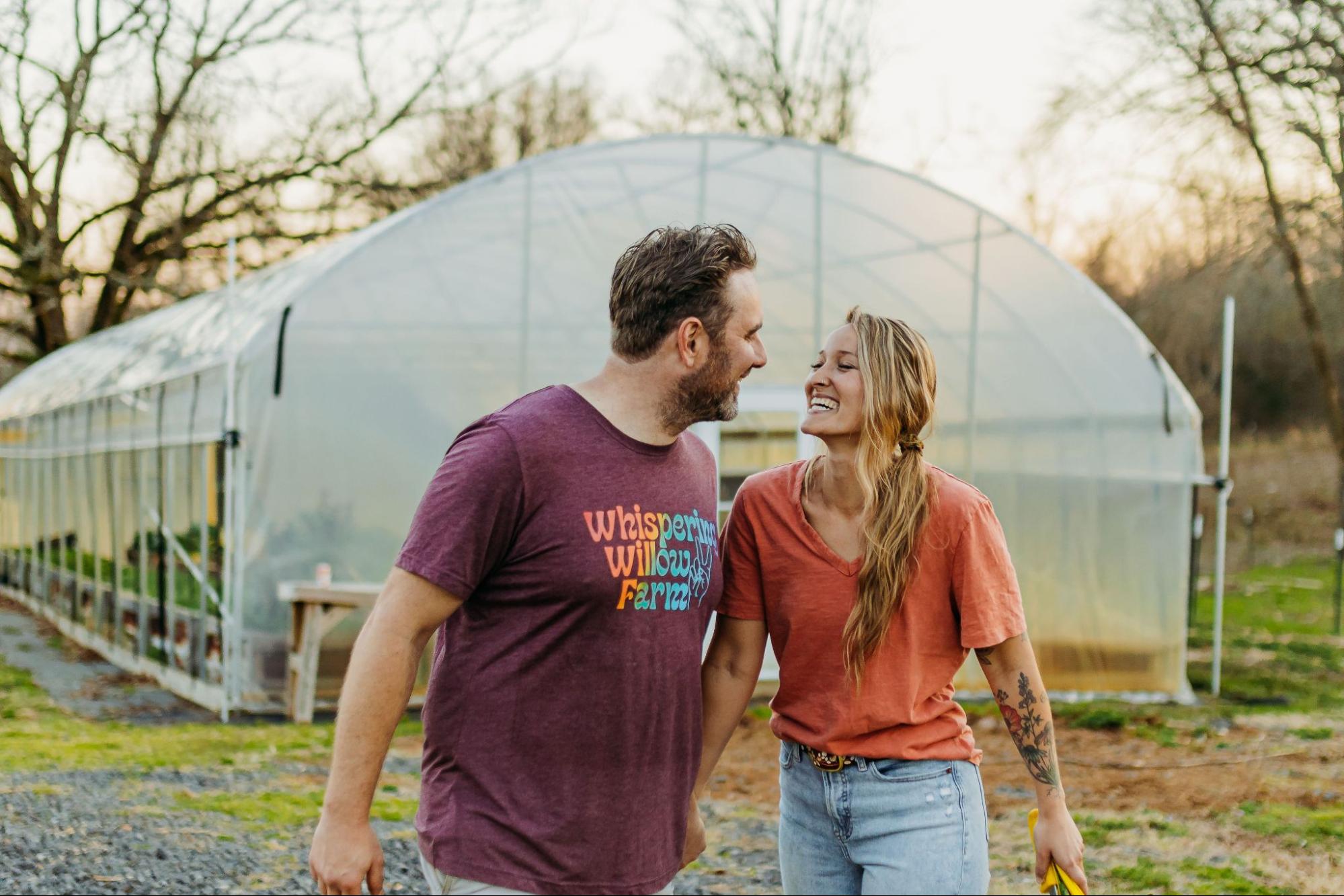
At Whispering Willow Farm, this season always reminds me why we chose this life in the first place.
When we purchased this property from our friends at Roots and Refuge, we knew we wanted to create something that fit our family, our values, and the vision we had for the future. We wanted a space that could feed our family well, support our community, and also become a profitable small farm business.
Over the last few years, we have rebuilt almost every corner of this farm with intentionality.
This spring garden tour walks you through exactly how we use our kitchen garden, medicinal beds, high tunnels, and flower fields to balance beauty, functionality, wellness, and income generation.
If you have ever dreamed about creating a productive backyard farm, growing food for your family, or building income from the land you already have, I hope this gives you inspiration to begin.
Rebuilding the Farm Around Our Vision
One of the biggest lessons we have learned is that it is okay to rebuild systems that no longer serve your goals.
The original cottage garden on this property was beautiful, but it was not practical for the life we were trying to build. It sat too close to the road, the drainage was poor, and during the hottest months of summer the soil would stay saturated for days.
Instead of trying to force something that was not working, we decided to start over.
We spent months tearing down old beds, moving infrastructure, salvaging what we could, and redesigning the property around how we actually wanted to live and grow.
We kept the greenhouse, pavilion, herbs, and perennial roses, but nearly everything else shifted.
That decision changed everything.
Now every growing space on the farm serves a clear purpose.

Our Farm Layout: Purpose Behind Every Space
Today the farm is divided into three primary growing areas:
-
The outdoor kitchen and medicinal garden
-
The high tunnel production space
-
The dedicated cut flower garden
Each area supports a different part of our life and business.
Some spaces exist to nourish our family.
Some spaces are designed for market production.
Some spaces are built purely for profit.
Creating intentional systems has helped us maximize both our harvests and our time.
The Outdoor Kitchen Garden & Medicinal Herb Space
This section of the farm is one of my favorite places.
It is where we grow the foods and herbs that support our family’s wellness, reduce our grocery bill, and supply our Friday Night Farm Pizzas.
This garden is deeply functional, but it is also beautiful.
We use arch trellises for pole beans and maximize every inch of space through companion planting and interplanting.
In one bed alone, we currently have:
-
Monty Gusto pole beans
-
Nasturtiums
-
Leeks
-
Tango celery
-
Rainbow Swiss chard
-
Rudbeckia
Instead of dedicating an entire bed to one crop, we layer plants together intentionally so every area stays productive throughout the season.
As spring greens fade in the Arkansas heat, other crops naturally take their place.
That rhythm matters.
The garden should evolve with the season instead of constantly fighting against it.

Growing Herbs for Wellness and Everyday Living
Our herb beds are one of the hardest working spaces on the farm.
We grow Genovese basil, lemon basil, opal basil, oregano, sage, lemon balm, calendula, thyme, tulsi, and more.
Some herbs are for cooking.
Some are for teas.
Some support pollinators.
Some are medicinal.
Calendula is one of our staples for skin support and homemade salves. Tulsi becomes lemonade all summer long. Lemon balm gets harvested constantly for teas and tinctures.
This is one of the reasons I love gardening so much.
The garden becomes part of your everyday wellness.
You stop depending on the grocery store for everything.
Inside the High Tunnel: Growing Food for Profit
While our kitchen garden supports our family, the high tunnel is where much of the business side of the farm happens.
This space is designed for efficiency, production, and profitability.
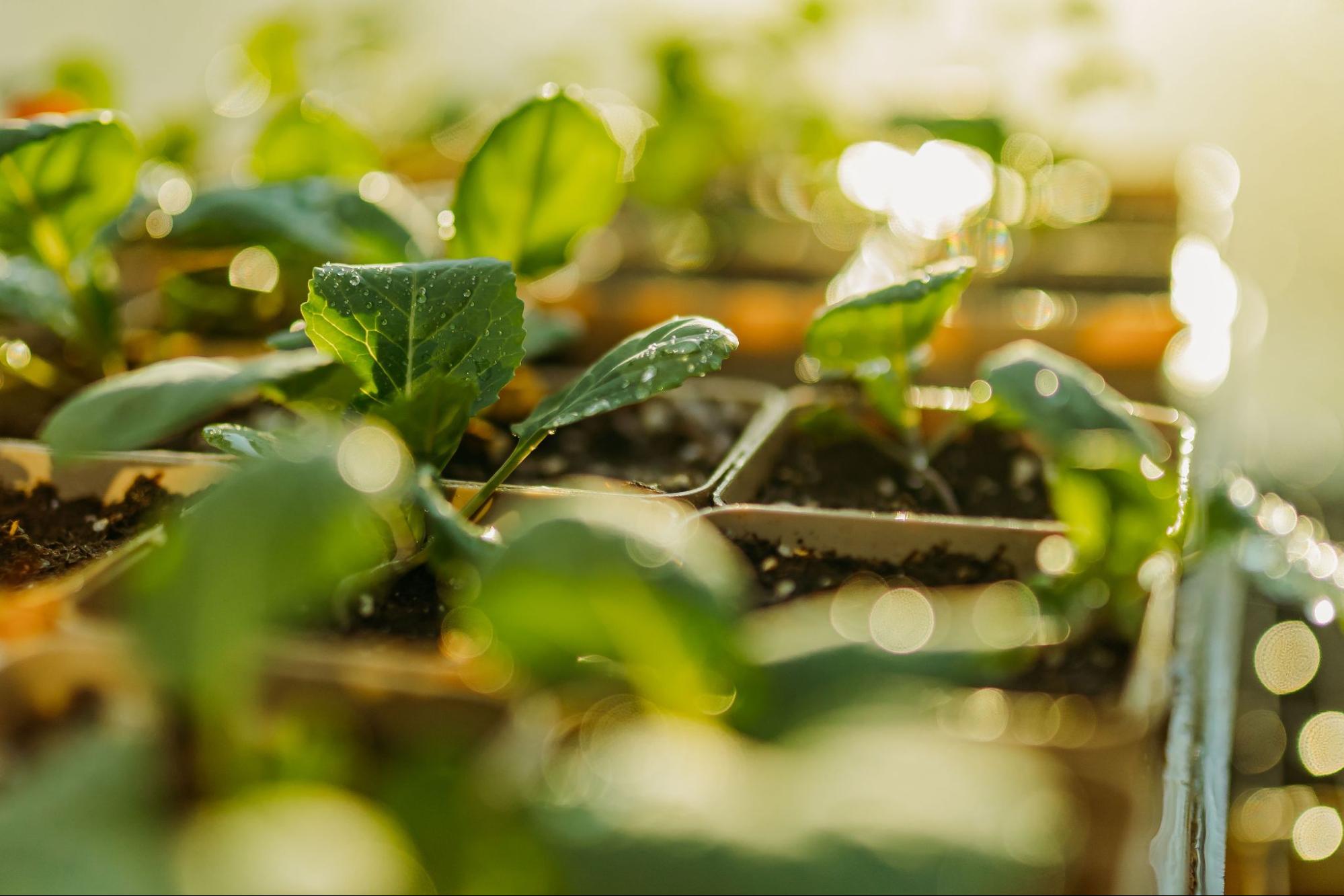
This year our tunnels survived several feet of snow, bent frames, and torn plastic during winter storms, but even after all of that, the garden keeps growing.
There is something incredibly hopeful about that.
Succession Planting for Continuous Harvests
One of the biggest strategies we use inside the tunnels is succession planting.
Instead of planting everything all at once, we stagger crops over time so we can harvest consistently for farmers markets, CSA orders, and weekly sales.
Right now we are growing:
-
Katrina cucumbers
-
Golden Sweet Grape tomatoes
-
Sakata tomatoes
-
Chadwick cherry tomatoes
-
Heirloom varieties
-
Peppers
-
Eggplants
-
Sunflowers
We prune our tomatoes using a two-leader system to maximize production while keeping airflow healthy.
Every decision inside the tunnel is made with both productivity and plant health in mind.

Using Trap Crops & Natural Growing Methods
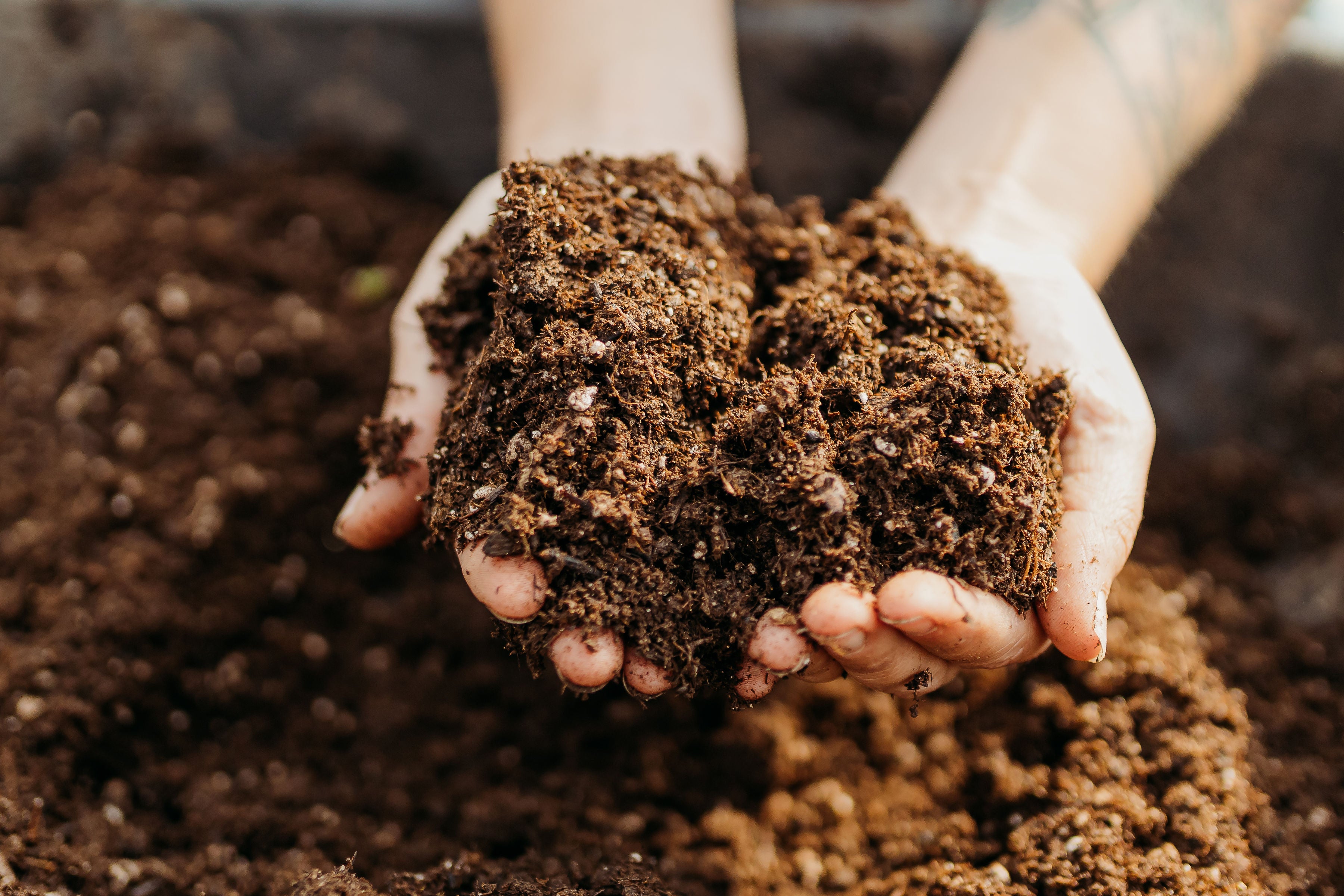
Because we are a Certified Naturally Grown farm, we rely heavily on healthy soil, biodiversity, and natural pest management.
One of the most effective systems we use is trap cropping.
For example, we intentionally planted kale near lettuce so pests would target the kale first.
It worked beautifully.
We also use dwarf eggplants to help draw pests away from our more valuable crops.
Instead of fighting nature constantly, we try to work with it.
Building a Profitable Cut Flower Garden
Our flower garden is entirely production focused.
Everything planted in this space serves the business.
Living in Zone 8A gives us a long growing season, which means we can succession plant flowers for nearly ten months out of the year.
Zinnias continue to be one of our most profitable flowers.
The more you cut them, the more they bloom.
We succession plant them multiple times each season to keep bouquets flowing through fall.
Alongside our zinnias, we grow:
-
Cosmos
-
Scabiosa
-
Strawflowers
-
Crespedia
-
Dahlias
-
ProCut sunflowers
One thing we focus on heavily is growing flowers that can serve multiple purposes.
If a bouquet does not sell fresh, many stems can still be dried and used later in arrangements, wreaths, workshops, or seasonal products.
That flexibility matters when you are building a profitable flower farm.

Creating Spaces That Invite Community
Over the last year, we have realized the farm is becoming more than just a place to grow food.
It is becoming a place where people gather.
We are currently transforming parts of the property into spaces for workshops, farm suppers, pizza nights, and seasonal events.
One of our tunnels is being redesigned specifically for future gatherings and educational experiences.
We want this farm to feel welcoming.
We want people to slow down here.
To reconnect with where food comes from.
To sit around a table under the lights and share a meal grown from the same soil surrounding them.
Friday Night Farm Pizzas
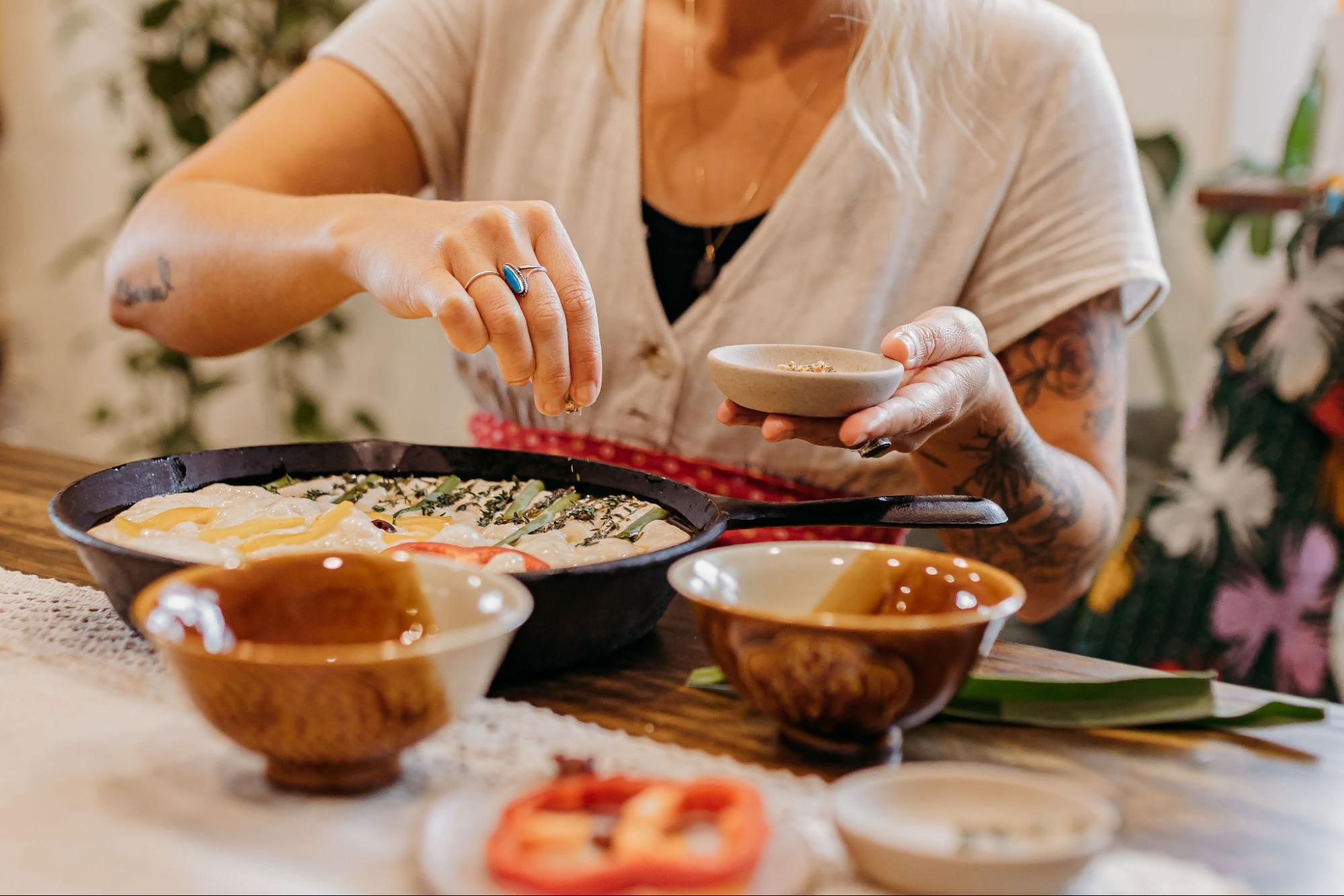
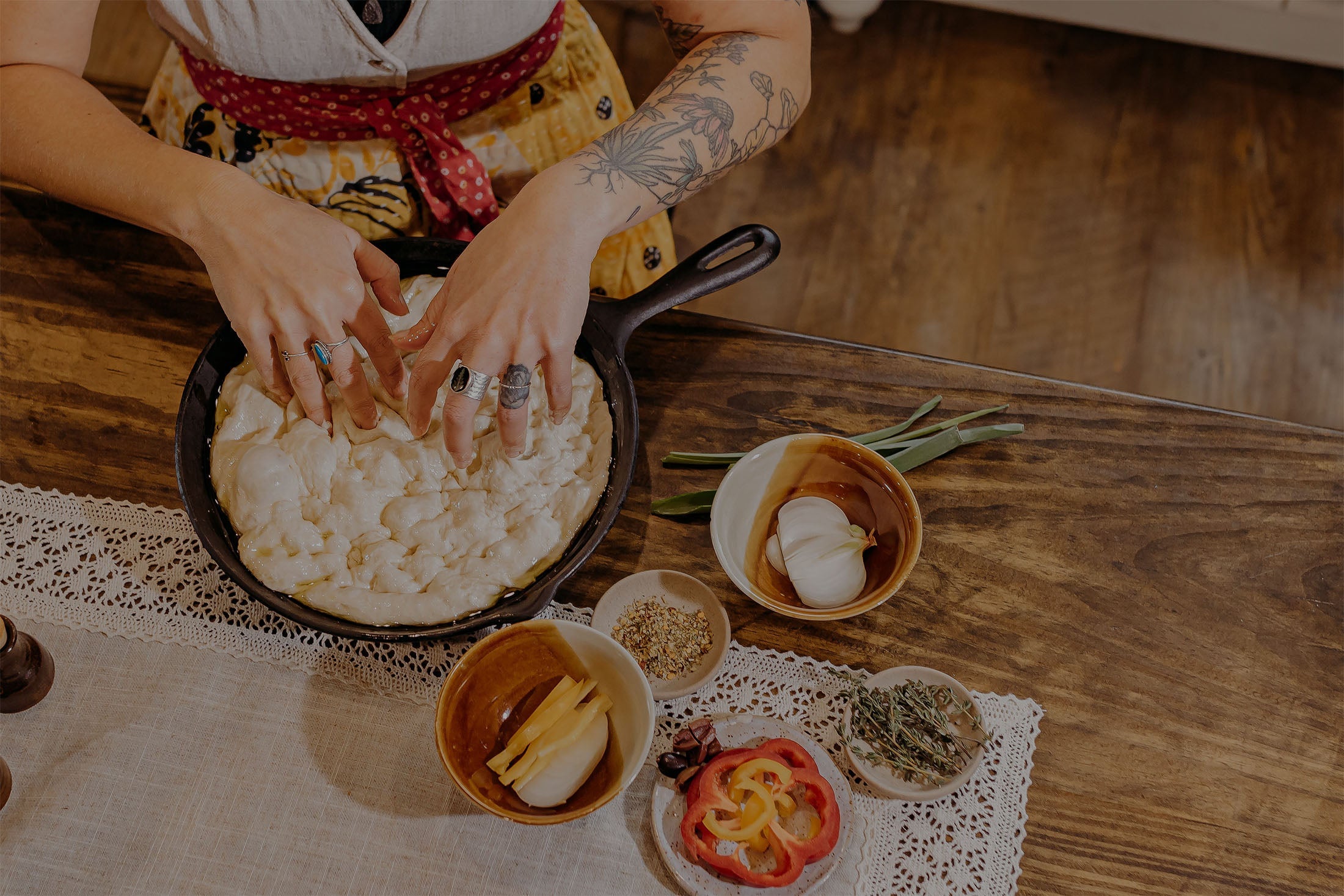
One of the projects we are most excited about this year is our Friday Night Farm Pizza experience.
Many of the toppings, herbs, vegetables, and proteins served during these evenings are grown directly here on the farm or sourced from neighboring farms we trust.
The goal is simple:
Create meaningful food experiences rooted in local agriculture, seasonal ingredients, and community.
Eventually, we hope these evenings continue growing into full farm-to-table dinners and immersive educational events.
The Reality of Building a Small Farm Business
One thing I always want people to understand is this:
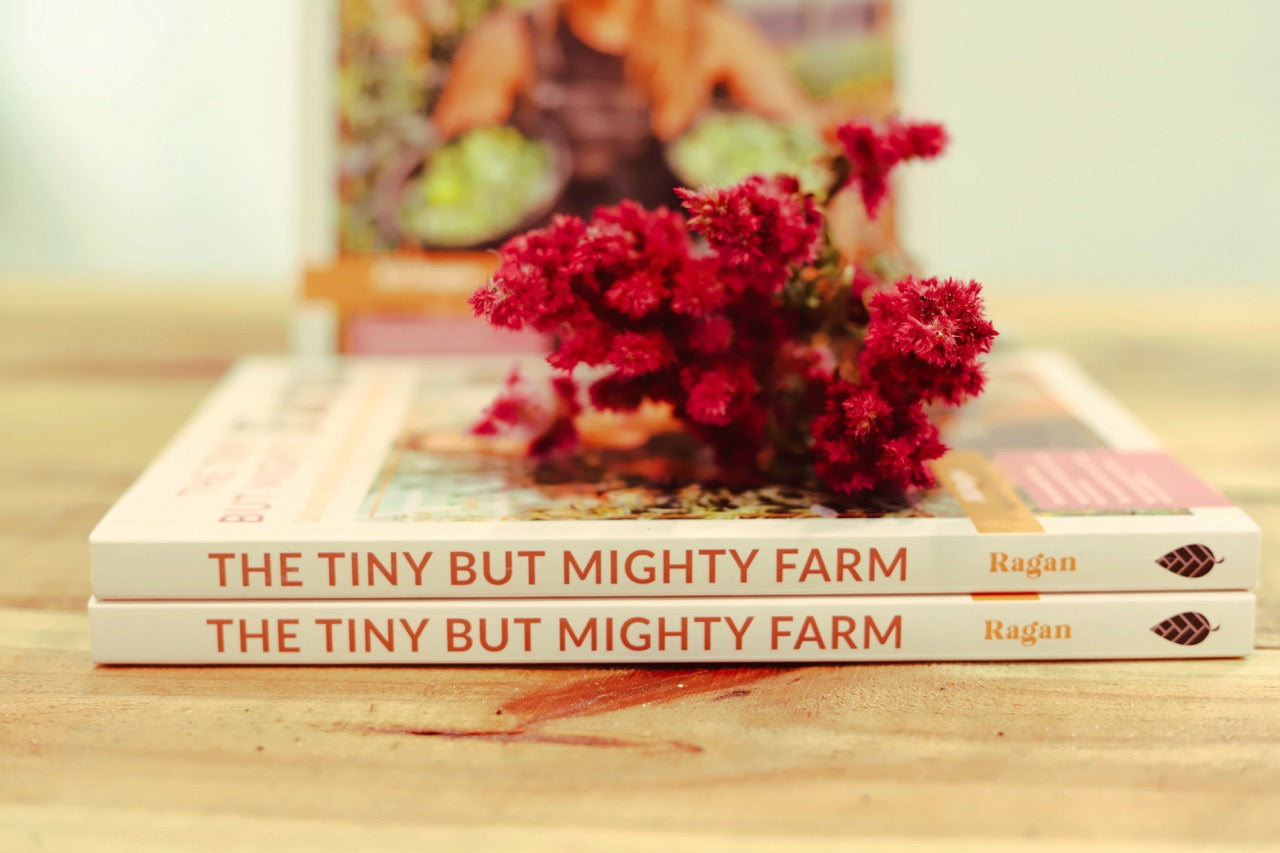
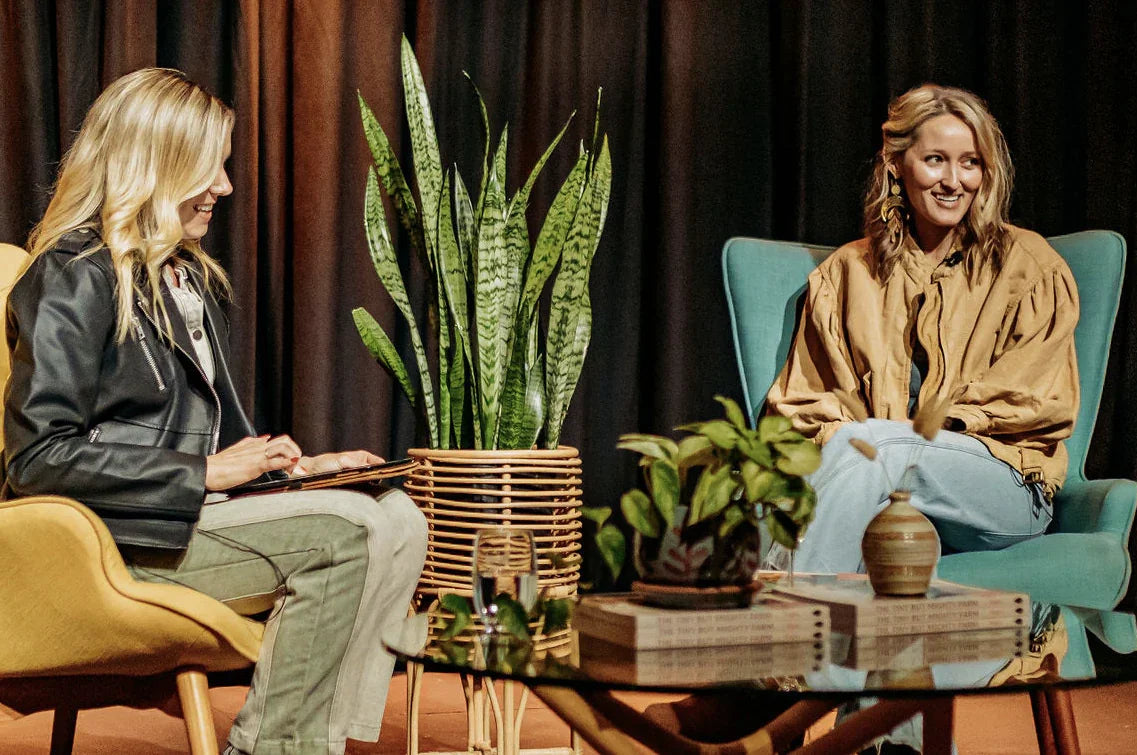
You do not need a massive farm to build meaningful income. I write more about this in my book The Tiny But Might Farm.
You do not need hundreds of acres.
You do not need perfect infrastructure.
You do not need to have it all figured out.
What you do need are intentional systems.
Every space on this farm has been built slowly over time.
We have learned through mistakes, trial and error, rebuilding, and simply continuing to show up season after season.
The systems matter more than perfection.
When your garden is designed intentionally, even a small space can:
-
Feed your family
-
Support your wellness
-
Generate income
-
Create beauty
-
Build community
-
Become a meaningful part of your everyday life
Creating a Life We Love
This season feels especially meaningful because so much of what we once dreamed about is finally beginning to take shape.
The gardens are growing.
The flowers are blooming.
The high tunnels are producing.
The community events are beginning.
And through it all, we are learning that profitable farming is not about doing more.
It is about creating systems that work together with purpose.
Whether you are building a backyard garden, dreaming about a flower farm, or simply trying to live a little closer to the land, I hope this encourages you to start where you are.
Small beginnings still grow beautiful things.


