















If planting your garden has ever felt exciting and overwhelming at the same time, you’re not alone.
A lot of the frustration people feel in the garden doesn’t come from doing too little. It usually comes from planting everything at once, planting the wrong crops for the season, or not having a clear plan for what comes next.
That’s where seasonal planting and succession planting make such a difference.
Once you understand what to plant in cool weather, what needs real heat to thrive, and how to space things out over time, your garden starts to feel a whole lot more manageable.
Let’s Cover the Basics

When it comes to planting, you really have two main paths.
Some crops do best when they’re started indoors and given a head start before they ever see the garden. Others are much happier when they’re planted right where they’ll grow.
Knowing which method to use saves time, wasted seed, and a lot of second guessing.
Indoor Seed Starting
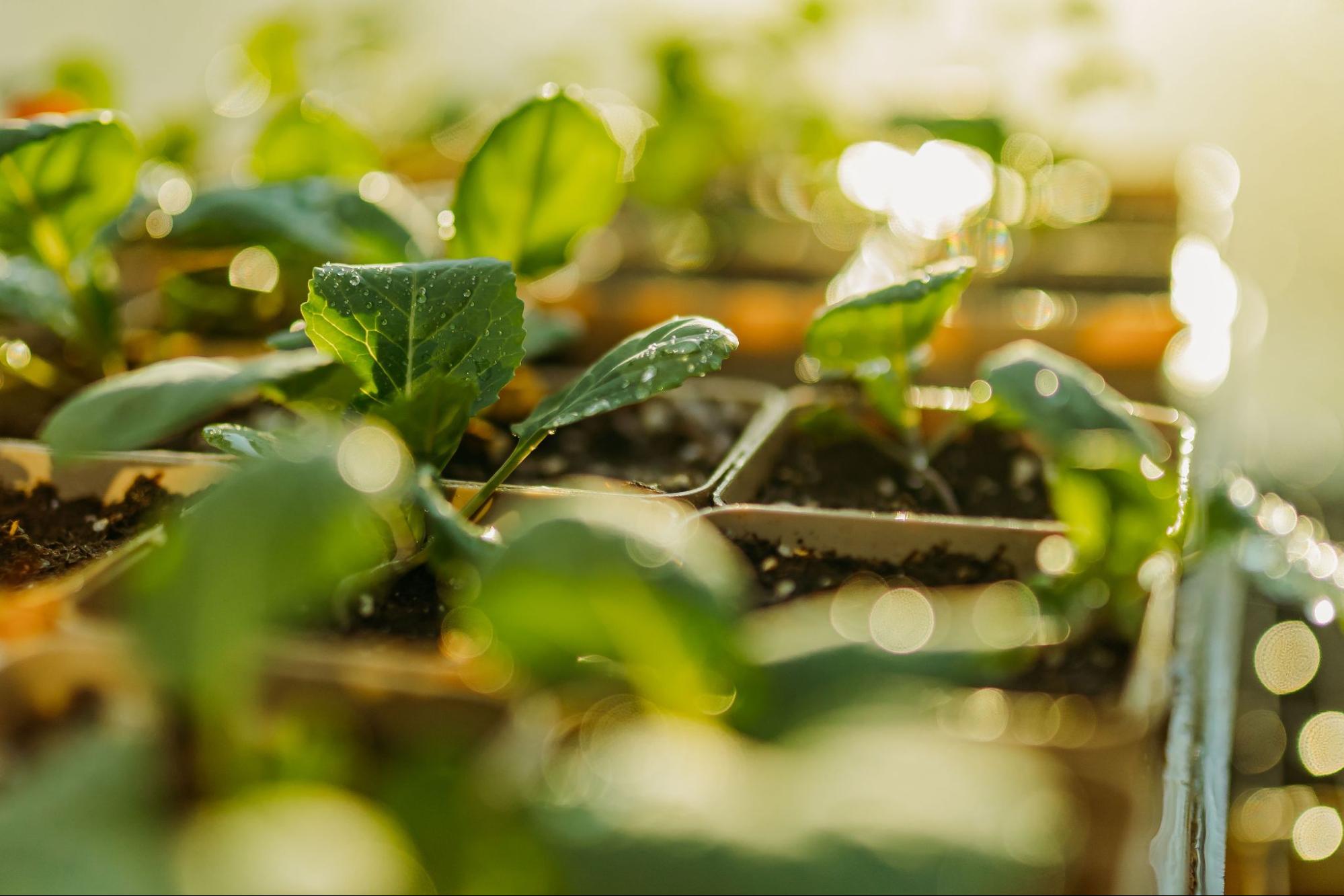
Starting seeds indoors is especially helpful for crops that need a longer growing season.
Tomatoes, peppers, and eggplant are good examples. They take their time, and giving them a few extra weeks indoors helps them get established before warm weather arrives.
A few things matter most here:
- Good light
- Warm temperatures
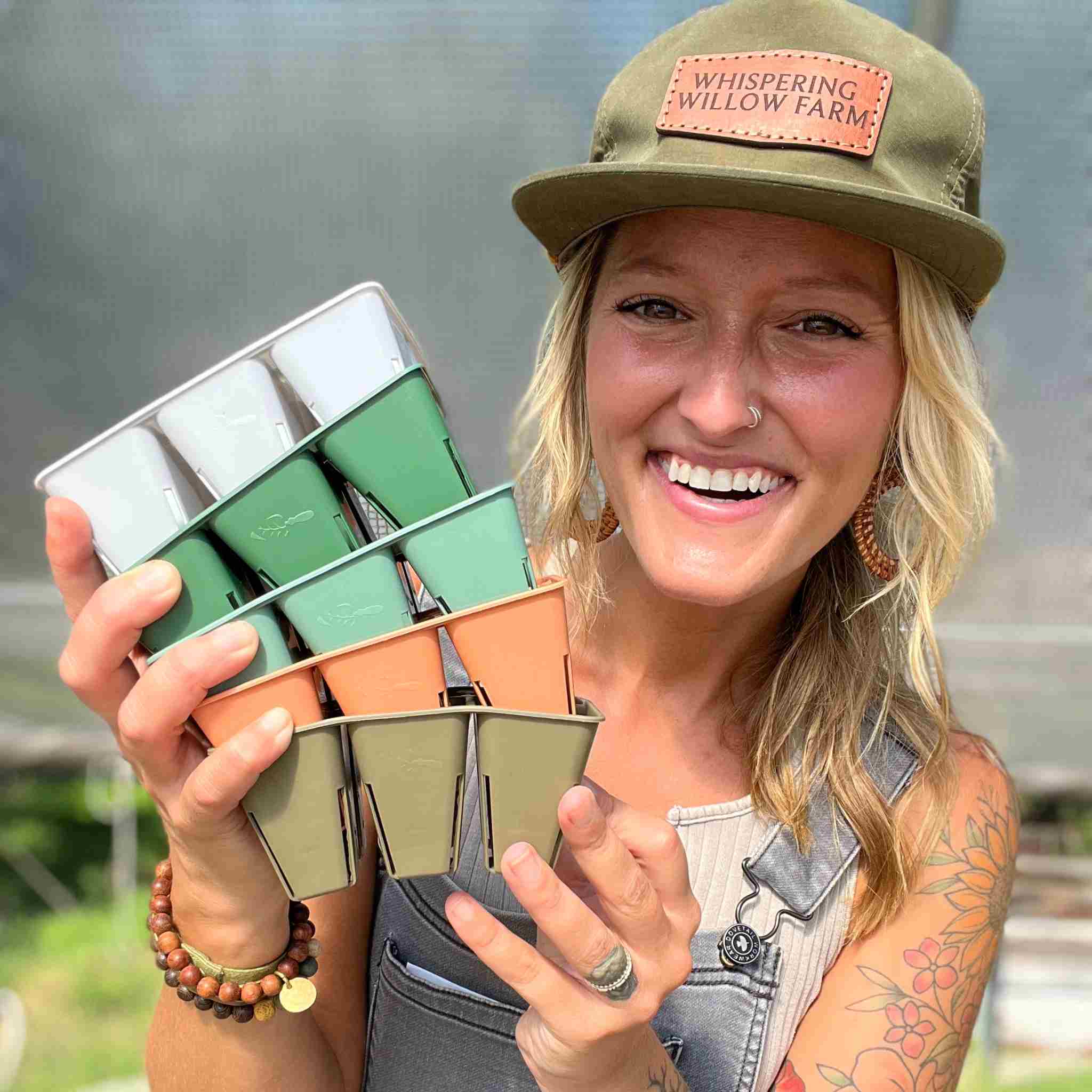
- The right seed-starting mix
If the light is too weak, seedlings get leggy. If the soil is too heavy, they struggle before they ever get going.
What Makes a Good Seed-Starting Mix
A good seed-starting mix should be light, clean, and able to hold moisture without getting heavy.
You want something airy enough for tiny roots to move through easily, but still able to stay evenly damp while seeds germinate.
This is also where a simple plan really helps. If you’re trying to figure out when to start seeds indoors for your climate and your season, this is exactly the kind of thing the Year Round Seed Starting Guide makes easier. It takes a lot of the guesswork out of the timing.
Direct Sowing Outdoors
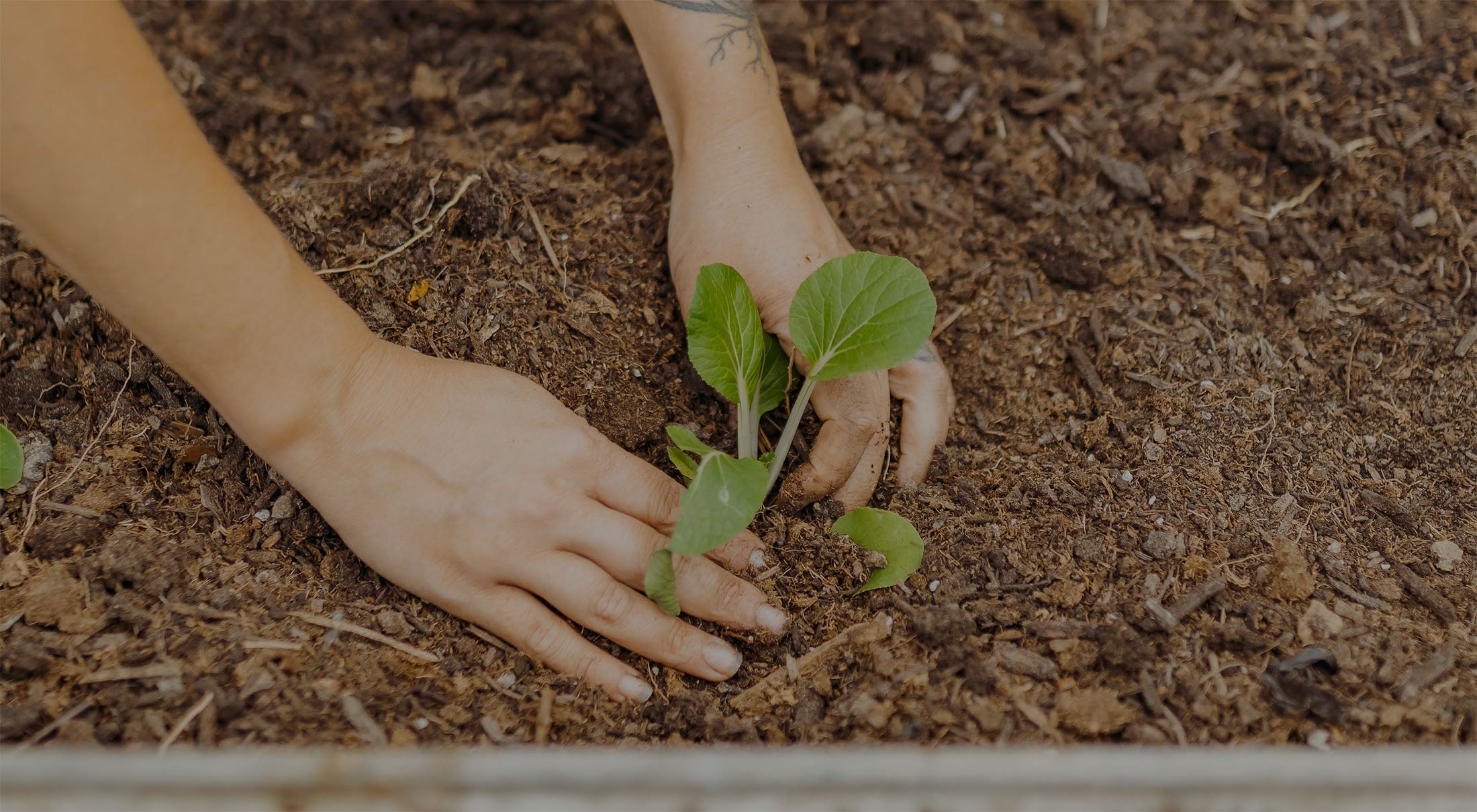
Some crops really do better when you skip the trays and plant them right in the garden.
Carrots, radishes, and peas are good examples. They don’t love being transplanted, and they usually settle in better when they can root exactly where they’re meant to grow.
The biggest things to pay attention to with direct sowing are:
- Loose soil
- Proper spacing
- Steady moisture during germination
It doesn’t need to be complicated, but it does need a little consistency at the beginning.
Benefits of Direct Sowing
Direct sowing can be the easier path in a lot of situations.
There’s less transplant shock, fewer supplies to manage, and less time spent babying plants indoors. For crops that are meant for it, it’s often the simplest and most reliable option.
It also works beautifully with succession planting, especially for leafy greens, radishes, herbs, and flowers you want in regular waves through the season.
Cool Season vs Warm Season

One of the most common mistakes gardeners make is planting the right crop at the wrong time.
Cool-season crops prefer cooler temperatures and can handle light frost. Warm-season crops need warmth and usually stall out or fail if they’re planted too early.
Cool-season crops include things like:
- Lettuce
- Spinach
- Kale
- Radishes
- Peas
- Broccoli
- Carrots
- Beets
Warm-season crops include things like:
- Tomatoes
- Peppers
- Cucumbers
- Squash
- Beans
- Corn
- Melons
Once you understand that difference, planning the whole garden gets easier.
Succession Planting: The Key to a Constant Harvest
If your garden has ever given you far too much food all at once and then left you with nothing a few weeks later, this is the shift that fixes that.
Succession planting simply means spacing out your planting so your harvest stays steady instead of coming all at once.
Instead of planting one giant bed of lettuce in one weekend, you plant a little now and a little later. You do the same thing with herbs, radishes, carrots, bush beans, flowers, and anything else that benefits from a steady rhythm.
It’s one of the easiest ways to keep your garden productive without feeling buried in it.
1. Staggered Planting
This is the simplest place to start.
Instead of sowing everything at the same time, plant small amounts every 2 to 3 weeks.
This works especially well for:
- Lettuce
- Spinach
- Arugula
- Swiss chard
- Radishes
- Carrots
- Beets
- Dill
- Cilantro
- Basil
It works well for flowers too. If you want zinnias, cosmos, or sunflowers over a longer stretch of the season, planting in waves makes a big difference.
2. Intercropping
Intercropping is just pairing a faster crop with a slower one so both can use the same space.
Radishes with carrots are a good example. The radishes are ready quickly, and by the time they’re out, the carrots are just getting going.
Lettuce with tomatoes works the same way. The lettuce gets harvested before the tomatoes need all the room.
It’s a simple way to make a small space do more.
3. Relay Planting
Relay planting is when one crop comes out and the next crop goes right in.
It keeps your beds from sitting empty and helps you get more from the same garden space over the course of the season.
A few easy examples are:
- Spring peas, then summer beans, then fall spinach
- Lettuce, then bush beans, then garlic
- Radishes, then summer squash, then carrots
This is one of those habits that changes how productive a garden feels.

A Few Practical Tips That Help
A few small shifts make succession planting work even better.
If your cool-weather crops struggle once summer heat shows up, use the shade of taller crops to buy them more time.
If you want better pollination across the whole season, stagger flower plantings too.
If you’re short on space, pairing fast growers with slower crops helps every inch of the garden work harder.
None of it is complicated on its own. It’s just a matter of building a rhythm.
What This Can Look Like in Different Zones
If you’re gardening in Zones 4 to 7, your season is shorter, so timing matters a lot. Cool-season crops usually get planted in steady rounds through spring, bush beans can be planted in waves through summer, and it helps to think ahead about what can follow what.
If you’re in Zones 8 to 10, you’ve got a longer growing season, but that doesn’t mean you can ignore timing. It usually means working around heat, pausing certain cool-weather crops in peak summer, and picking things back up again in fall.
This is another place where having a planning system really helps. The Tiny Farm Planner is a natural fit for this because it gives you a place to map out what you’re planting now, what comes next, and how your beds will keep working through the season.
A Simple Way to Think About It
You do not need to plan your whole year in one sitting.
That’s where a lot of people get overwhelmed.
Instead, ask:
- What can I plant now?
- What can I plant next?
- What will replace this crop when it’s finished?
That small shift is what turns succession planting from a good idea into something you can actually use.
If This Feels Like a Lot
Keep it simple.
Pick one bed.
Pick one crop.
Try one succession method.
That’s enough to start.
You do not have to do everything perfectly to have a productive garden. You just need to start paying attention to timing, season, and what comes next.
Once you do that, your garden starts to feel less chaotic and a whole lot more steady.
And honestly, that’s when it starts getting really fun.


