












There’s something deeply satisfying about growing your own ginger.
It feels exotic.
A little rebellious.
And wildly empowering.
Most people assume ginger only grows in tropical climates… but that’s not entirely true.
With the right timing, soil, and patience — you can grow beautiful, flavorful ginger right at home.
And once you do?
You may never look at grocery store ginger the same again.
Let’s walk through it.
Why Grow Your Own Ginger?
First — let’s talk about why this is even worth it.
Most grocery store ginger is treated with growth inhibitors to prevent sprouting. It’s often dry, fibrous, and not nearly as flavorful as fresh, homegrown rhizomes.
Homegrown ginger is:
-
More flavorful
-
Juicier
-
Harvestable young (mild + tender!)
-
Excellent for gut support
-
Incredible for immune support
-
Easy to store
And honestly?
You plant it once in spring… and let it quietly grow all summer.
It’s one of the most low-maintenance crops in my garden.
Know Your Climate Window
Ginger needs 8–10 months of warm weather to fully mature.
Before you plant, ask yourself:
-
Do I have a long hot season?
-
Am I using a high tunnel?
-
Do I need to extend my season?
If you’re in Zones 7–9, you can absolutely succeed outdoors with the right timing.
If you live in a shorter-season climate, you’ll want to start indoors to get a head start.
When to Start Ginger Indoors
Start ginger indoors if:
-
Your soil isn’t consistently 70–75°F yet
-
Your season is shorter than 8 months
-
You want larger harvests
How to Start Indoors
-
Start 4–6 weeks before your last frost
-
Use a deep pot or tray with drainage
-
Use bottom heat if possible
-
Keep soil evenly moist (not soggy)
This early start makes a big difference.
The longer ginger has warm soil and steady growth, the bigger your rhizomes will be at harvest.
When to Transplant Ginger
Transplant once:
-
Outdoor soil is consistently warm
-
Night temps stay above 55°F
-
Shoots are visible and growing
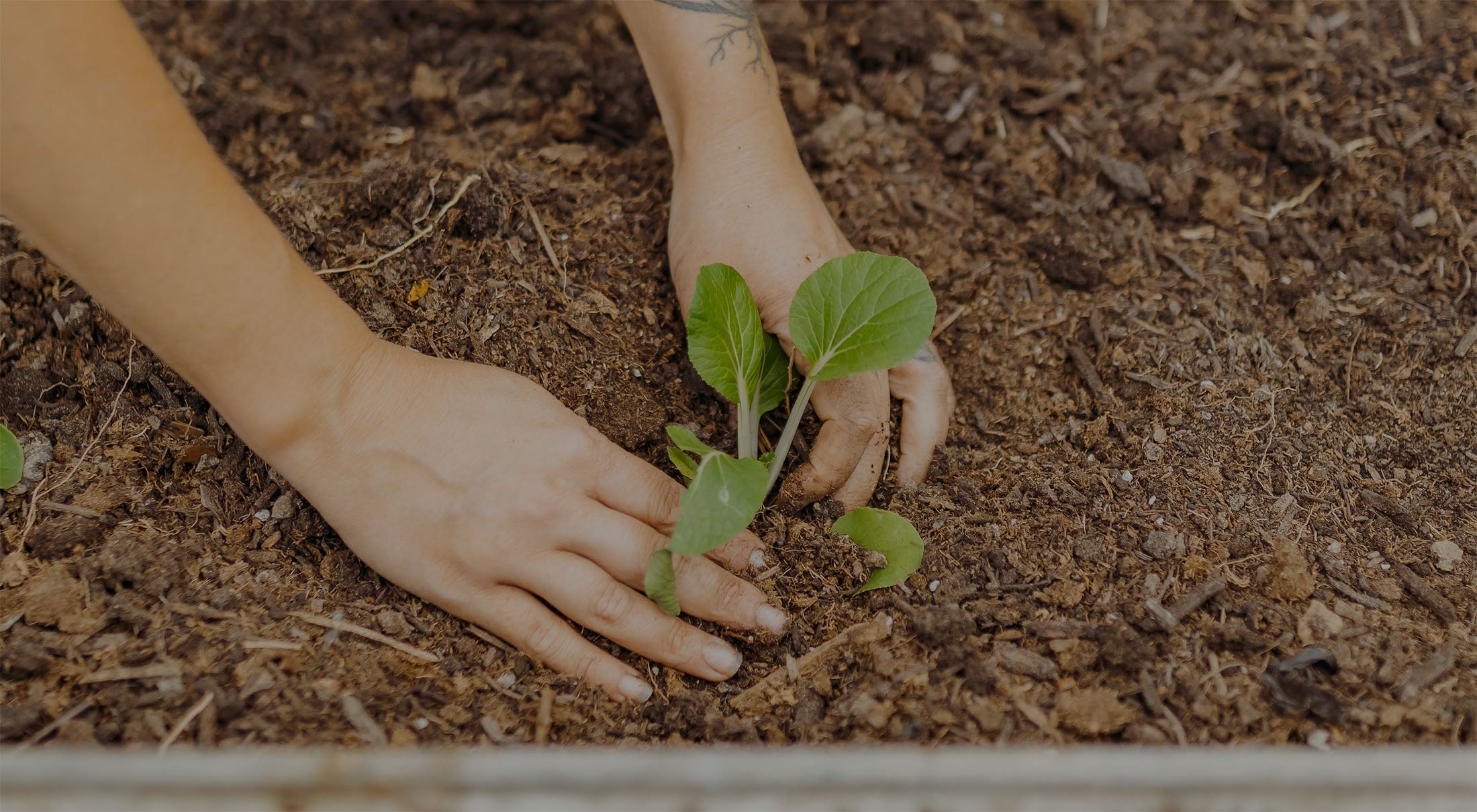
Ginger roots are shallow and fragile, so handle gently.
Space plants about 8 inches apart in rich, loose soil.
When to Direct Plant Ginger
You can direct plant if:
-
You’re in Zone 8–9
-
Soil temps are 70°F or warmer
-
You’re planting in a high tunnel
Plant:
-
1–2 inches deep
-
With the “eyes” facing up
-
In compost-rich soil
Warm soil is the key here. Ginger will just sit if it’s too cool.
Soil & Depth: This Is Where Most People Go Wrong
If you want a good harvest, your soil matters.
Ginger needs:
-
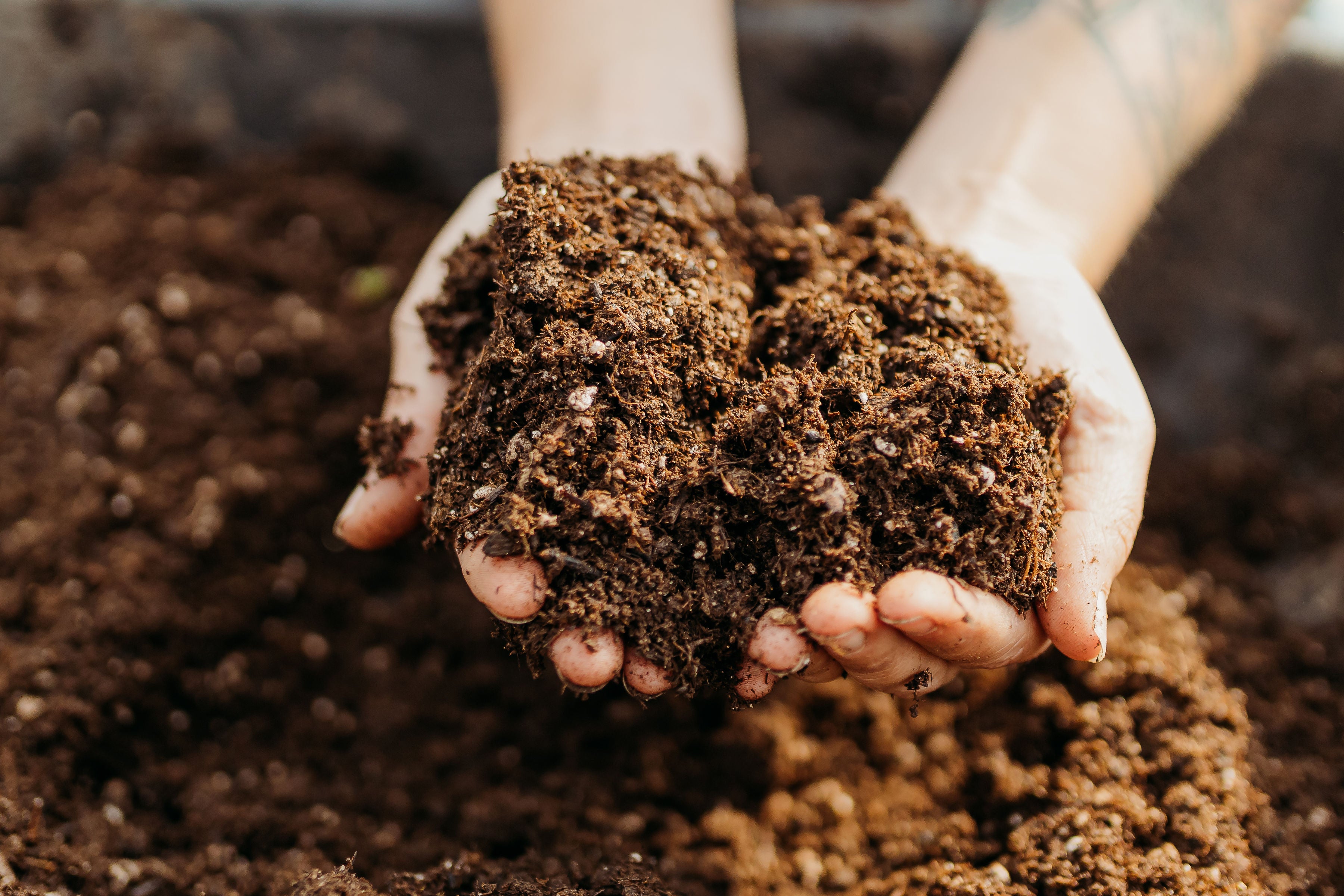
Loose soil
-
High organic matter
-
Good drainage
-
At least 8–10 inches of depth
Shallow beds or compacted soil will result in small harvests.
I always amend heavily with compost before planting and make sure my beds are fluffy and well-draining.
Think soft. Not clay bricks.
Watering & Light Requirements
Ginger likes consistency.
Keep soil:
-
Consistently moist
-
Never soggy
For light:
-
Morning sun
-
Afternoon shade
-
Or filtered greenhouse light
It does not love harsh, all-day scorching sun.
In my high tunnel, it thrives in filtered light conditions.
Feeding & Hilling for Bigger Rhizomes
Every 3–4 weeks:
-
Feed with compost tea
-
Or fish emulsion
As it grows:
-
Add compost around the base
-
Lightly hill soil upward
This encourages additional rhizome production and larger harvests.
It’s similar to how we hill potatoes — we’re encouraging growth underground.

When to Harvest Ginger
You have two options:
Young Ginger (4–5 months)
-
Tender skin
-
Mild flavor
-
Juicy and less fibrous
-
Incredible for fresh use
Mature Ginger (8–10 months)
-
Stronger flavor
-
More fibrous
-
Better for storage
Always harvest before your first frost.
Lift carefully, divide your rhizomes, and replant your best pieces for next season.
That’s how you build your own ginger supply year after year.
Ginger is one of those crops that feels intimidating… until you grow it once.
Then you realize it’s actually quiet, steady, and incredibly rewarding.
If you’ve never tried growing it before — this might be your year.
And if you need help mapping out when to start it in your zone, how to succession plant around it, or how to plan your garden layout strategically — that’s exactly what I teach inside my seasonal planning guides.


