






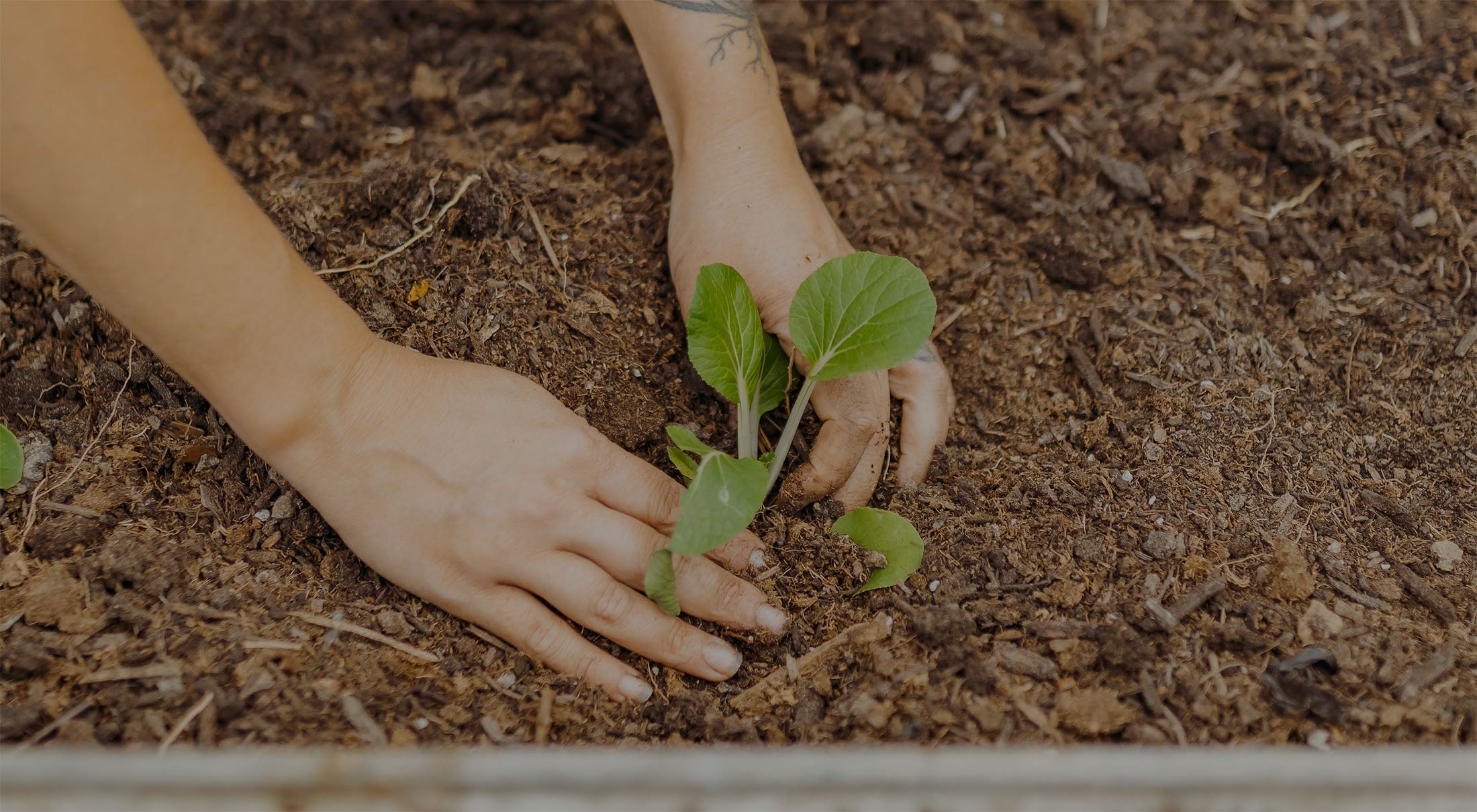











There’s a moment every spring when the excitement hits.
Seeds are going in the ground. Beds are filling up. The weather finally starts cooperating. And suddenly, the garden feels full of possibility again.
But there’s one question I hear over and over again this time of year:
“How much should I actually plant?”
Not just to grow vegetables…
But to feed your family consistently all summer long.
Because growing a few vegetables is one thing.
Growing enough to put real food on the table week after week — that takes intention.
And truthfully? It took me years to figure this out.
Early on, I either planted way too much of one crop… or not nearly enough of another. We’d have mountains of radishes for two weeks, then nothing when we really needed them.
What changed everything was learning to think in terms of family feeding, not just planting space.
So today, I want to walk you through how much to plant of some of the most reliable summer crops — the ones that truly feed a family.
Lettuce — The Foundation of Summer Meals
If there’s one crop I always make room for, it’s lettuce.
I love growing it because it shows up at nearly every meal. Sandwiches, wraps, side salads… it’s one of the most dependable crops in the garden.
For a family of 4–5, I recommend:
Plant 6–12 lettuce plants every 2–3 weeks
Not all at once.
That’s where people run into trouble — planting one big round and wondering why it all matures at the same time.
Instead, think steady.
Plant a small batch now…
Then another…
Then another.
That’s how you keep fresh lettuce coming without waste.
And if you’re growing loose-leaf varieties, even better — you can harvest again and again from the same plant.
Root Crops — Small Seeds, Big Impact
Root crops are quiet workhorses in the summer garden.
They don’t demand much attention, but they deliver steady harvests that stretch across meals.
Carrots, beets, and radishes all fall into this category.
For a family of 4–5:
Plant 10–20 feet of row every 2–3 weeks
That spacing keeps harvests consistent and prevents the dreaded “everything is ready at once” moment.
Radishes mature quickly — sometimes in just a few weeks — which makes them perfect for filling gaps between slower crops.
Carrots and beets take longer, but they’re worth the wait.
These are the crops that quietly build food security in your garden.
Tomatoes — The Summer Staple
Tomatoes are where many gardeners focus their attention — and for good reason.
They’re versatile, productive, and show up in nearly every summer meal.
But here’s the mistake I see often:
Planting too few.
Tomatoes disappear quickly once harvest begins.
For a family of 4–5:
Plant 6–10 tomato plants
And if your family loves fresh tomatoes, sauces, or preserving, lean toward the higher end.
Mixing varieties also helps:
- Slicers for sandwiches
- Cherry tomatoes for snacking
- Paste tomatoes for sauces
That diversity stretches your harvest in ways a single variety never will.
Cucumbers — The Quiet Overachievers
Cucumbers have a way of sneaking up on you.
At first, they produce slowly.
Then suddenly… they don’t stop.
They’re perfect for:
- Fresh eating
- Salads
- Pickling
- Fermenting
For a family of 4–5:
Plant 4–6 cucumber plants
That’s usually enough to keep up with fresh eating and still have extras for preserving or fermenting.
And if you trellis them, you’ll save space and make harvesting easier.
Green Beans — Reliable and Productive
Green beans are one of those crops I never skip.
They’re dependable, productive, and easy to work into meals.
For a family of 4–5:
Plant 10–15 feet of row every 2–3 weeks
That staggered planting keeps beans coming instead of arriving all at once.
And when planted regularly, they become one of the most consistent summer producers in the garden.
Zucchini — A Little Goes a Long Way
Zucchini has a reputation — and if you’ve grown it before, you already know why.
One plant can produce more than you expect.
For a family of 4–5:
Plant 2–3 zucchini plants
That’s usually more than enough.
Plant too many, and you’ll be handing squash to neighbors faster than you can harvest it.
The Secret Isn’t More Space — It’s Better Planning
One of the biggest misconceptions I hear is:
“I just don’t have enough space to feed my family.”
But more often than not, the problem isn’t space — it’s planning.
It’s knowing:
- What to plant
- How much to plant
- When to plant again
This is truly how you are able to go from harvesting a few things here and there to actually producing for your household.
Why Succession Planting Matters More Than Quantity
You don’t need huge amounts of space. (Let me say it loud for the folks in the back, ha)
Succession planting — planting small amounts over time — is what keeps food coming steadily instead of all at once.
It’s how you stretch your harvest across months instead of weeks.
And once you start thinking that way, everything will shift in your garden.
The garden becomes more predictable.
More productive.
And far less overwhelming.
Feeding Your Family Starts With a Plan
If there’s one thing I’ve learned after years of growing food for our family, it’s this:
Food security doesn’t happen by accident.
It happens through small, intentional decisions made early in the season.
Deciding what to plant.
How much to plant.
And when to plant again.
That’s how summer meals shift from store-bought… to garden-grown.
One crop at a time.
Want the Full Planting Plan?
If you're looking for a clear, simple way to map out your garden and know exactly how much to plant for your family, that’s exactly why I created the Year-Round Seed Starting Guide
Inside, you’ll find:
- Planting guides by crop & zone
- Seed starting tips
- Succession planting reminders
- and more!
Because feeding your family from the garden isn’t about guessing…
It’s about planning with purpose.


