

















Starting a garden can feel overwhelming—especially when you’re staring at an empty bed wondering what goes where.
The good news? You don’t need to overcomplicate it.
A thoughtful layout makes everything easier—healthier plants, fewer pests, better harvests, and a garden that just works. These simple garden layout templates will help you plant with confidence and create a space that supports itself naturally.
The Guild Method: A Natural Way to Grow Together
If you love the idea of a garden that feels more like a little ecosystem than rows of plants, the guild method is a beautiful place to start.
A guild is built around one main crop, with supporting plants working together to improve soil, attract pollinators, and deter pests.
How it works:
- A central crop (like tomatoes or peppers)
- Companion plants that protect and support
- Flowers to attract pollinators
- Ground cover to hold moisture and suppress weeds
Why it works so well:
Instead of fighting nature, you’re working with it. Each plant has a purpose, and together they create balance.
Simple example:
- Tomatoes in the center
- Basil and marigolds nearby
- Borage for pollinators
- Thyme or strawberries as ground cover
- Sunflowers nearby for height and support
This layout works especially well in raised beds or small spaces where you want every plant pulling its weight.

The Three Sisters Plus: A Classic (With a Little Upgrade)
The traditional Three Sisters method has been used for generations—and for good reason.
Corn, beans, and squash naturally support each other:
- Corn acts as a trellis
- Beans fix nitrogen in the soil
- Squash shades the ground and keeps weeds down
The “Plus” version builds on that by adding even more support plants.
What to add:
- Marigolds and nasturtiums for pest control
- Dill or basil for beneficial insects
- Sunflowers for pollinators and vertical structure
Layout tips:
- Plant corn in clusters (not rows) for better pollination
- Add beans once the corn is established
- Let squash spread along the edges
- Tuck flowers and herbs around the borders
This layout is perfect if you want a high-yield garden that feels full, abundant, and alive.

The Checkerboard Layout: Organized and Efficient
If you prefer a cleaner, more structured look, the checkerboard layout is a great option.
This method alternates crops and companion plants in a grid pattern, keeping everything evenly spaced and easy to manage.
How it works:
- Plant your main crop in alternating squares
- Fill in the gaps with companion plants
- Avoid placing the same crops side-by-side
Why gardeners love it:
- Helps reduce pest problems
- Improves airflow and plant health
- Makes small spaces incredibly productive
Example:
Bush beans paired with:
- Marigolds
- Carrots
- Radishes
- Basil
- Alyssum
Everything has its place, and nothing gets overcrowded.

10 Simple Secrets to a Better Garden
No matter which layout you choose, these simple habits make all the difference.
1. Start with healthy soil
Good gardens begin below the surface. Focus on building rich, living soil first.
2. Compost the right way
Layer browns and greens, keep it moist, and turn it regularly.
3. Use mulch generously
Mulch helps retain moisture, reduce weeds, and regulate soil temperature.
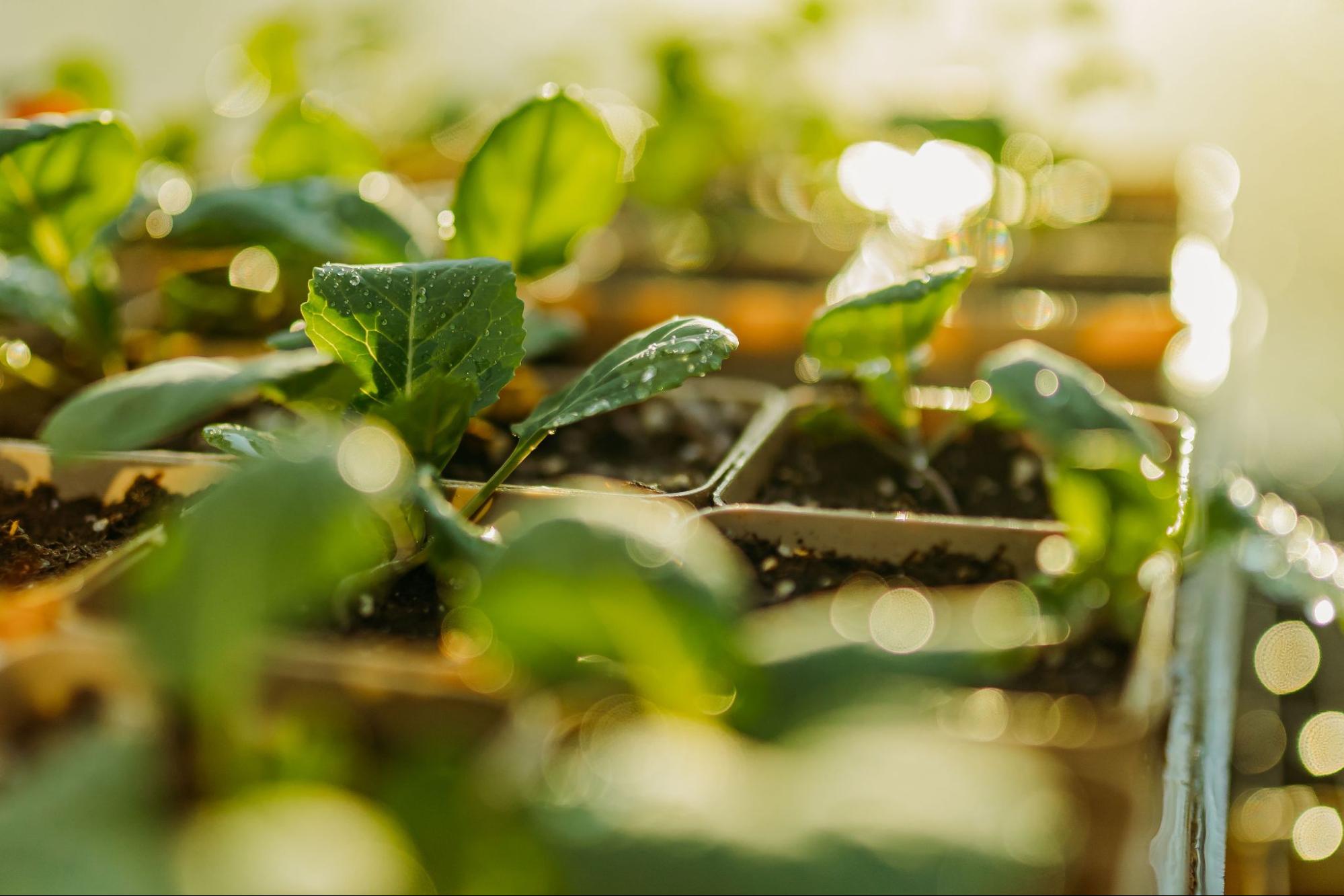
4. Start seeds early
Give your plants a head start indoors when possible.
5. Prune when needed
Cutting back encourages stronger, healthier growth.
6. Water deeply (not constantly)
Less frequent, deeper watering builds stronger roots.
7. Invite pollinators in
Flowers aren’t just pretty—they’re essential.
8. Give plants space
Crowding leads to weaker plants and more problems.
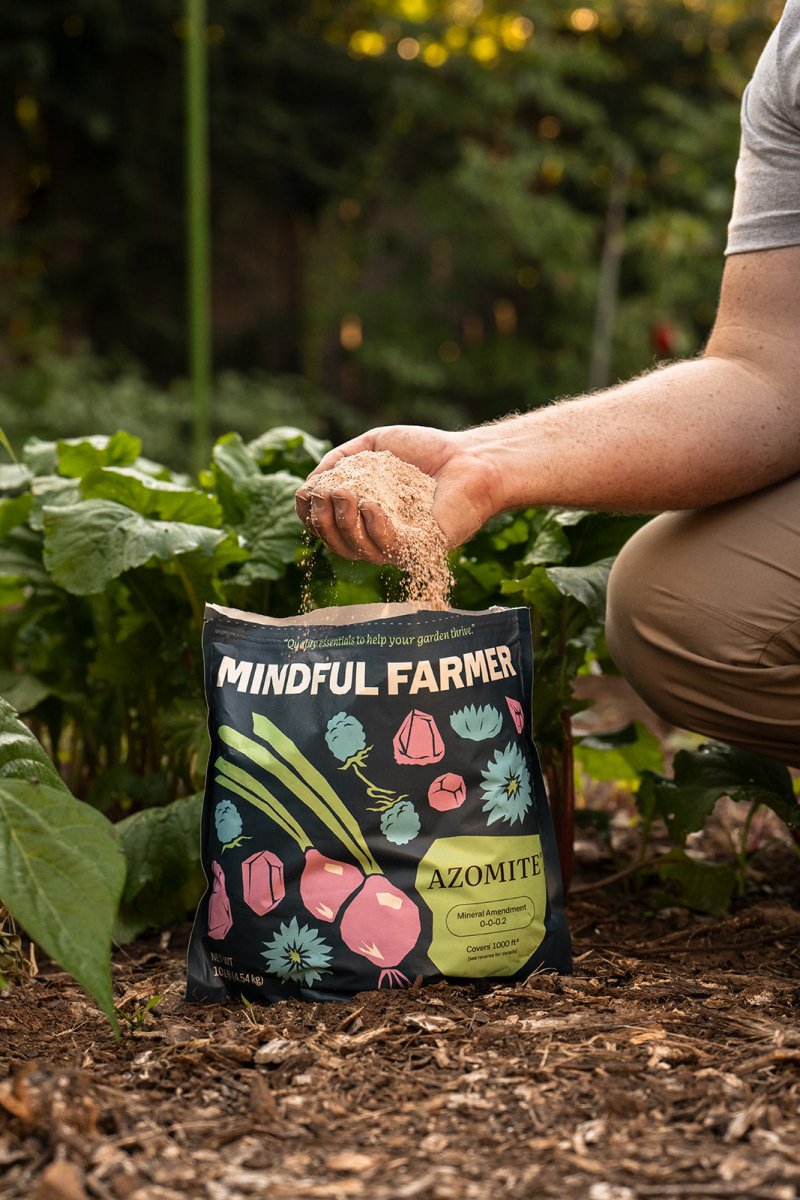
9. Feed your soil wisely
Use compost and natural amendments instead of over-fertilizing.
10. Stay ahead of pests
A little daily observation goes a long way.
Crop Rotation: Keep Your Soil Working for You

Even the best layout needs one important habit to stay productive year after year: crop rotation.
Planting the same crops in the same place can drain nutrients and invite pests. Rotating your crops helps keep everything balanced.
A simple 4-year rotation:
- Year 1: Leafy greens
- Year 2: Fruiting crops (tomatoes, peppers)
- Year 3: Root vegetables
- Year 4: Legumes (beans, peas)
This keeps your soil healthy and your plants thriving without extra work.
Bringing It All Together
You don’t need a perfect plan to grow a beautiful garden.
Start simple. Choose a layout that fits your space and your style, and build from there. Pay attention to what works, adjust as you go, and let your garden teach you. Want some additional help? You can grab my Garden Planner here.
Some seasons will feel effortless. Others will teach you a lot.
Either way, you’re building something good.
And that’s what really matters


