








If you’ve ever stood in your garden (or out in the field) and thought,
“Okay… but how do I actually turn this into income?”—you’re not alone.
Choosing how to sell what you grow is just as important as what you grow.
And truthfully, there isn’t one “right” way to do it.
Some folks thrive at the farmers market every weekend. Others prefer the steady rhythm of a CSA. Some build beautiful subscription boxes, while others keep things simple with wholesale.
This isn’t about doing it all.
It’s about choosing what works best for your life, your land, and your season.
Why Your Sales Channel Matters More Than You Think
Before you plant a single extra row, it’s worth asking:
- How much time do I actually have each week?
- Do I enjoy interacting with customers?
- Am I looking for flexibility—or consistency?
Because the truth is—your sales channel will shape your entire workflow.
It determines:
- When you harvest
- How you package
- How often you sell
- And how predictable your income is
Choosing wisely on the front end can save you a lot of stress later on.

A Simple Overview of Common Farm Sales Channels
Let’s walk through a few of the most common options for small farms and homesteads.
Farmers Market
What it’s like:
Face-to-face selling, weekly setup, and direct connection with your community.
What works well:
- Building relationships with customers
- Immediate feedback on what people love
- Flexible pricing and product variety
Things to consider:
- It takes time—harvesting, prepping, packing, and showing up
- Weather and turnout can vary week to week
- You’ll need consistency to build a loyal customer base
CSA (Community Supported Agriculture)
What it’s like:
Customers pay upfront for weekly shares throughout the season.
What works well:
- Predictable income at the start of the season
- Loyal, returning customers
- A structured weekly rhythm
Things to consider:
- You’re committing to consistent harvests every week
- Less flexibility if crops fail or timing shifts
- Requires clear communication with members
Homestead Box or Subscription
What it’s like:
Curated boxes that may include produce, herbs, baked goods, or handmade items.
What works well:
- Creative freedom
- Ability to diversify your offerings
- Great for building a brand
Things to consider:
- Requires planning, packaging, and presentation
- Income may be less predictable
- Marketing and communication matter more here
Wholesale
What it’s like:
Selling in bulk to restaurants, stores, or local buyers.
What works well:
- Fewer customers to manage
- Larger volume sales
- More streamlined systems
Things to consider:
- Lower profit margins per item
- High consistency and volume required
- Less control over pricing
Time vs. Profit: What’s the Tradeoff?
Every sales channel comes with a different balance of time and income.
Some bring in higher returns—but require more hands-on effort.
Others are more efficient—but rely on volume to make sense financially.
Here’s a simple way to think about it:
- Farmers Market: High time, steady to strong income
- CSA: Medium to high time, predictable income
- Homestead Box: Medium time, flexible income
- Wholesale: Lower time per customer, but higher volume needed
There’s no perfect option—just what fits your current capacity.

A Quick Gut Check: What Fits Your Life Right Now?
Before you decide, take a minute to think through what naturally fits you.
Ask yourself:
- Do I enjoy talking with customers each week—or prefer working behind the scenes?
- Do I want a predictable schedule—or flexibility week to week?
- Am I growing a wide variety—or focusing on a few high-volume crops?
- How much time can I realistically commit every week?
Your answers here matter just as much as your growing plan.
Matching Your Strengths to the Right Channel
Different approaches tend to fit different personalities and seasons of life.
You might find yourself leaning toward one of these:
- You enjoy community and connection → Farmers Market
- You like structure and planning ahead → CSA
- You’re creative and love variety → Homestead Box
- You prefer efficiency and simplicity → Wholesale
And honestly?
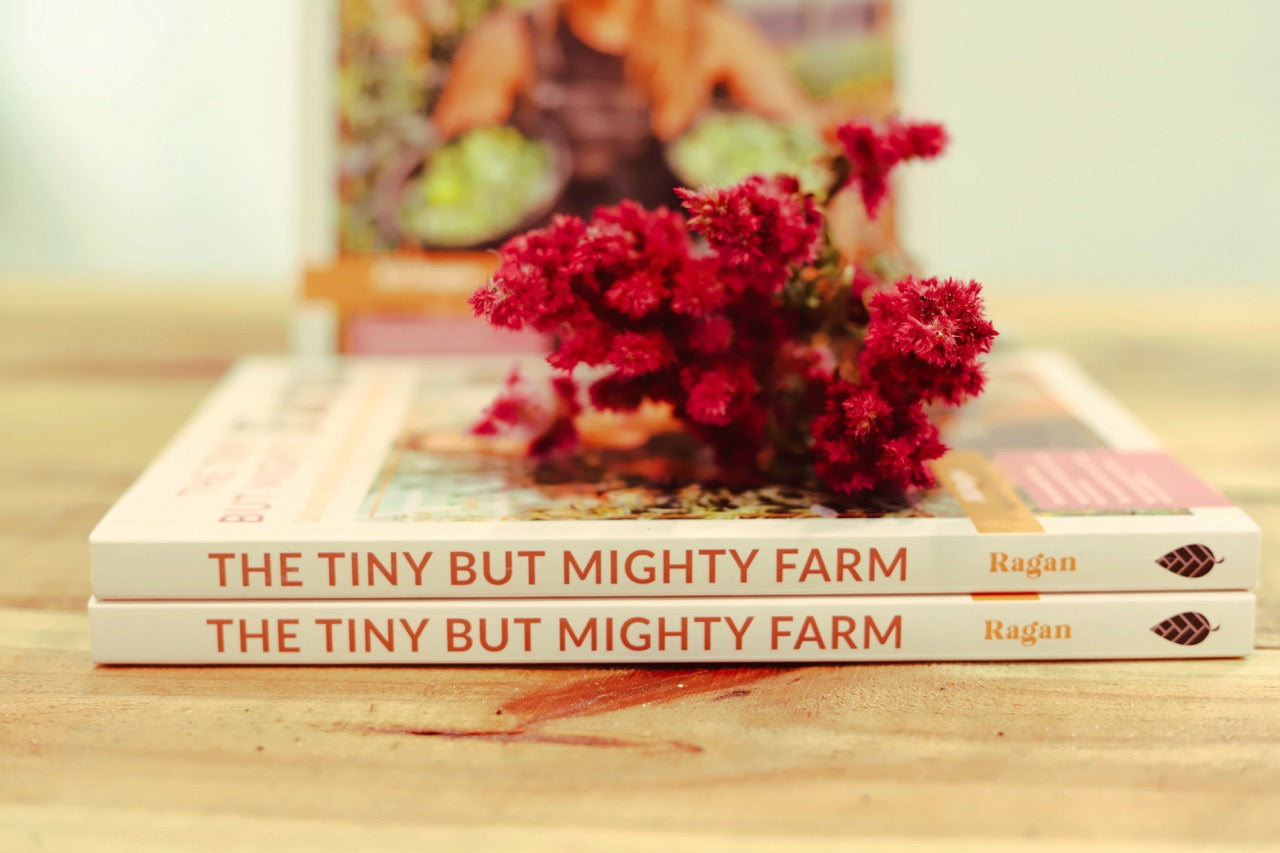
A lot of small farms end up blending two approaches over time. I talk more about this in my book The Tiny But Mighty Farm, you can grab a copy here to help you think through these options and plan for what's best for your lifestyle.
When You’re Not 100% Sure (and That’s Okay)
It’s completely normal to feel unsure at the beginning.
You don’t have to commit to one path forever.
In fact, one of the best ways to figure this out is to:
- Start small
- Test one channel for a season
- Pay attention to what feels sustainable
Notice:
- What drains you
- What feels natural
- What actually brings in income
That’s where clarity comes from.
A Few Practical Things to Think Through
Before you settle on a direction, it helps to look at the practical side too.
- Do you have enough space to grow consistently?
- Are you growing a wide variety—or just a few crops?
- Do you enjoy marketing and customer communication?
- Do you have a way to transport or deliver your products?
- Can you handle the pressure of weekly harvest deadlines?
These questions don’t have to be perfect “yes” answers.
They just help you choose a path that’s realistic for you right now.
Start Where You Are
You don’t need a perfect system to get started.
You just need a direction that makes sense for your life.
Maybe that looks like:
- One farmers market a month
- A small test CSA with a few families
- A handful of curated boxes
- Or one consistent wholesale buyer
You can always adjust as you learn!


