












There’s a common belief that profitable gardening requires acres of land, expensive infrastructure, or years of experience before you can actually make meaningful income.
But after years of growing in backyard spaces, building systems from the ground up, and learning what truly matters, I’ve found that profitable gardens are rarely built from perfection.
They’re built from intention.
A productive backyard garden isn’t about cramming as many plants as possible into a space and hoping for the best. It’s about creating simple systems that allow your garden to thrive sustainably — both for your harvests and for your lifestyle.
Whether your goal is feeding your family, selling locally, starting a flower farm, or creating supplemental income from home, these are the six things every profitable backyard garden truly needs.

1. A Garden Layout That Actually Makes Sense
One of the biggest mistakes beginner gardeners make is randomly placing crops without considering how the space will actually function long-term.
A productive garden starts with intentional design.
Before planting, think through:
- Sunlight exposure throughout the day
- Proper crop spacing
- Harvest access
- Watering systems
- Workflow and movement through the garden
Your garden should work with you, not against you.
When your layout is thoughtful, everything becomes easier — watering, harvesting, weeding, succession planting, and maintaining healthy crops throughout the season. I discuss layout templates more here in this quick guide if you'd like to check it out.
Even small backyard spaces can become incredibly productive when every bed has a purpose.
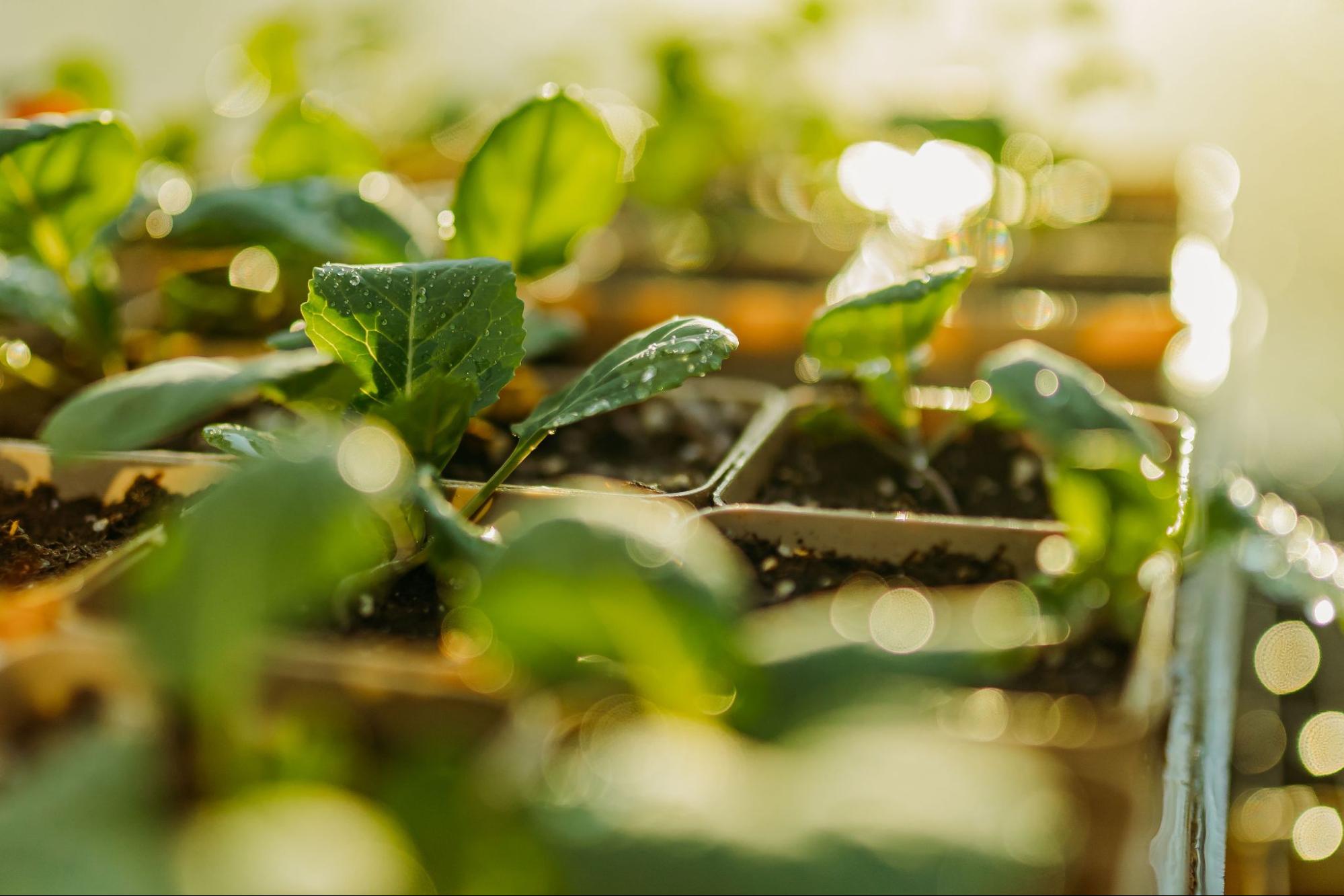
2. A Seed Starting Plan
Another common mistake? Planting everything all at once.
Successful backyard gardens rely on timing just as much as growing.
A solid seed starting plan helps create continuous harvests instead of one overwhelming flush of crops followed by empty beds for the rest of the season.
This means understanding:
- Your growing zone
- Frost dates
- Succession planting
- Seasonal timing
- What crops thrive during different parts of the year
When you plan ahead, your garden becomes far more manageable and profitable.
Instead of constantly reacting, you begin growing with rhythm and intention.
3. Weekly Maintenance Systems
Healthy gardens are not built from random bursts of motivation.
They’re built from consistency.
The most productive gardens usually aren’t the fanciest — they’re simply the ones cared for regularly.
Simple weekly systems help prevent small problems from becoming overwhelming ones later.
That can look like:
- Walking your garden daily
- Checking irrigation regularly
- Staying ahead of weeds
- Harvesting consistently
- Watching for pests or disease early
- Pruning and maintaining airflow
Gardening becomes much more sustainable when maintenance feels like part of your routine instead of a massive weekend project.
4. Understanding Profitability
A productive garden isn’t just about growing more.
It’s about growing smarter.
If your goal is to create income from your backyard garden, profitability matters.
That means asking yourself:
- What crops produce repeatedly?
- What crops maximize space well?
- What sells consistently in your local area?
- What fits your lifestyle and available time?
Some of the most profitable crops aren’t necessarily the trendiest — they’re the crops that work reliably within your systems.
Learning how to evaluate crops through both a gardening lens and a business lens changes everything.
5. Choosing the Right Sales Channel
Not every gardener should sell the same way.
Your ideal sales channel depends on:
- Your schedule
- Available time
- Production level
- Personality
- Lifestyle goals
Some gardeners thrive at farmers markets. Others prefer subscription models, roadside stands, bouquet bars, online sales, or wholesale.
There is no one-size-fits-all path.
The goal is building a garden business that supports your life — not one that burns you out.
The more aligned your systems are with your lifestyle, the more sustainable your garden becomes long-term.
6. A Marketing Plan
You do not need thousands of followers to create a successful garden business.
But you do need visibility.
People cannot buy from gardens they never hear about.
Marketing doesn’t have to feel complicated or overwhelming. Often, it simply comes down to:
- Consistency
- Clear messaging
- Sharing your process
- Building trust with your audience
- Inviting people into the story behind your garden
Your garden itself is already beautiful marketing.
People connect with authenticity, simplicity, and real-life experiences far more than perfection.

You Do Not Need a Massive Farm to Start
One of the most important things I’ve learned over the years is this:
You do not need a massive farm to create meaningful income.
Sometimes all it takes is:
- A backyard garden
- Intentional systems
- A willingness to learn
- The courage to begin
Small spaces can create beautiful harvests, meaningful income, and an entirely different rhythm of life when approached with purpose.
And honestly? Some of the most fulfilling gardens are the ones grown close to home.
Ready to Build a More Profitable Backyard Garden?
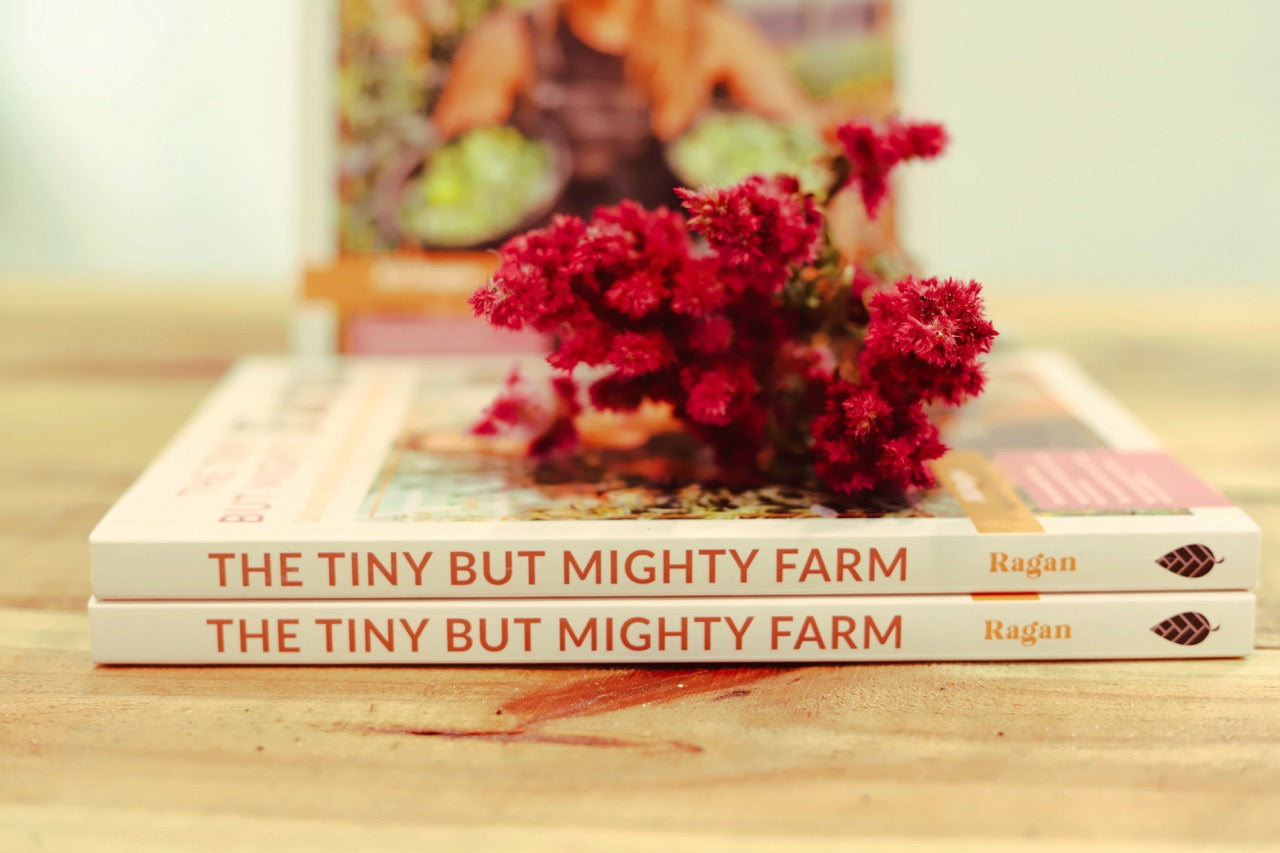
I took all of these systems and turned them into the Profitable Backyard Bundle — a resource designed to help gardeners create productive, intentional backyard spaces that actually support real-life goals.
Whether you’re dreaming of growing for your family, selling locally, or starting small with purpose, this bundle walks through the systems that truly matter.


