








A Simple Guide to Growing, Harvesting, and Using Strawflowers in Your Garden
Strawflowers are one of those plants that quietly become a staple once you grow them. They’re resilient, productive, and incredibly versatile—working just as well in fresh bouquets as they do dried arrangements months later.
If you’re looking for a flower that adds structure, color, and reliability to your garden (without needing constant attention), strawflower is worth your space.
This guide walks through everything you need to know—from starting seeds to harvesting—so you can grow them with confidence and actually enjoy the process.
What Are Strawflowers?
Strawflower (Bracteantha bracteata) is a half-hardy annual known for its papery petals and long-lasting blooms. Native to Australia, it thrives in warm conditions and continues producing flowers steadily through the growing season.
What makes strawflowers especially useful is their ability to hold both shape and color after drying, making them a go-to for growers who want beauty that lasts beyond summer.
At a glance:
- Half-hardy annual
- Blooms from late spring through summer
- Cut-and-come-again flower
- Ideal for fresh and dried use
- Requires support as it grows taller

Why Grow Strawflowers in Your Garden
Strawflowers aren’t just pretty—they’re practical.
They fill in gaps in bouquets, add texture to arrangements, and continue producing when many other flowers slow down. If you’re growing for your home, they extend your enjoyment of the garden. If you’re growing to sell, they offer another product stream through dried florals.
They’re also forgiving.
If you’re in a season where you need something reliable and low-maintenance, this is one of those crops that supports you right back.
Supplies You’ll Need to Get Started
Before planting, it helps to have a simple system in place.
- Strawflower seeds
- Buckets for harvest
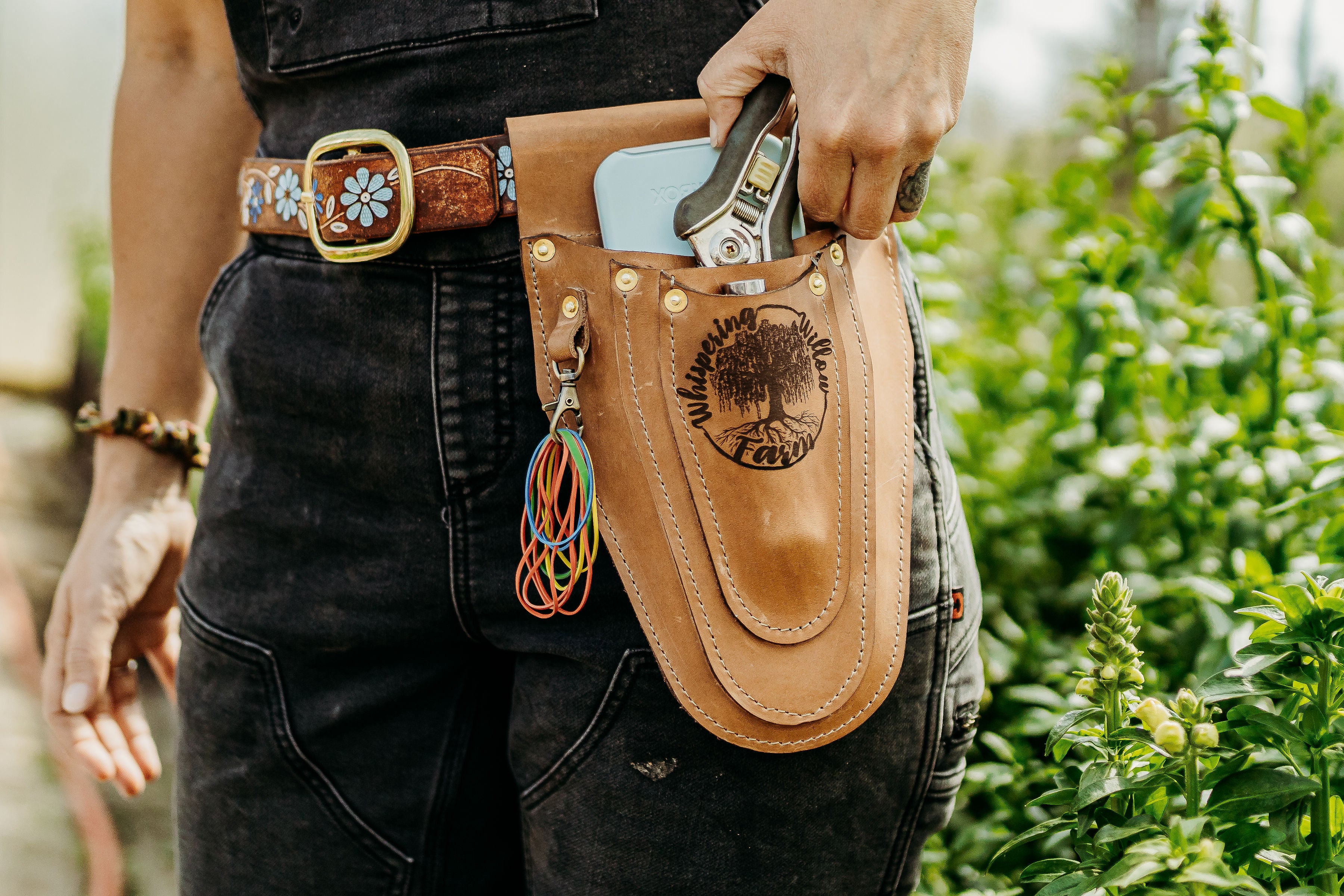
- Rubber bands for bunching
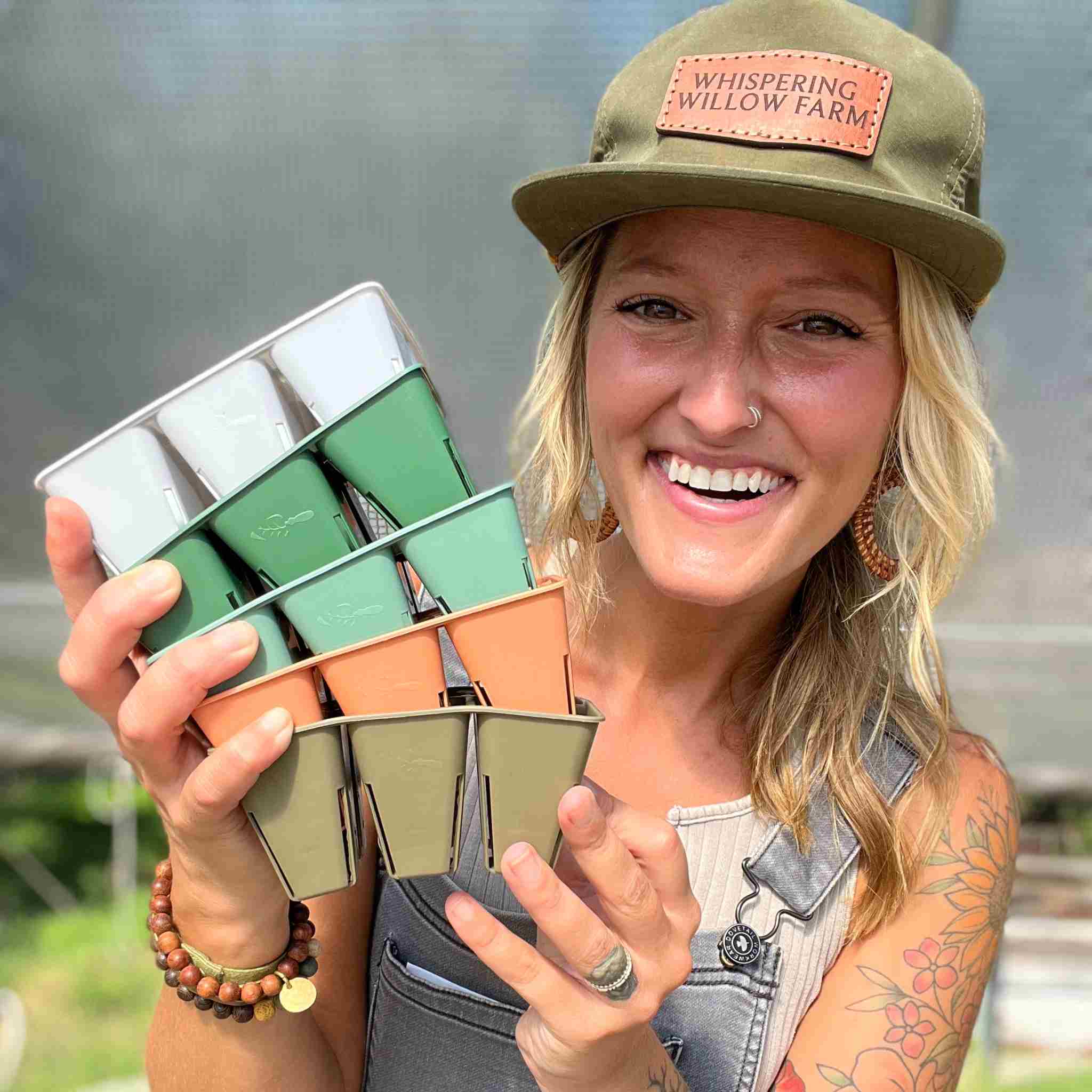
- Soil blocks or cell trays for starting seeds
- A broadfork or bed prep tool
You don’t need anything complicated—just a few basics to keep your workflow smooth from seed to harvest.
If you’re building your setup:
We've filled our shop with everything you'd need!
Choosing the Right Strawflower Varieties
Not all strawflowers look the same, and choosing the right mix can completely change the feel of your garden or arrangements.
Apricot Mix
Soft, warm tones with layered petals. A dependable choice for both fresh bouquets and drying.
Monstrosum Tall Mix
Larger blooms on taller stems with bold colors—great if you want something more eye-catching and structural.
Vintage White
Clean, neutral blooms that pair with everything. Especially useful in both fresh and dried designs.
If you’re unsure where to start, a mix gives you flexibility and variety without overthinking it.
Starting Seeds and Plant Spacing
Strawflowers are straightforward to start, but a few details make a big difference.
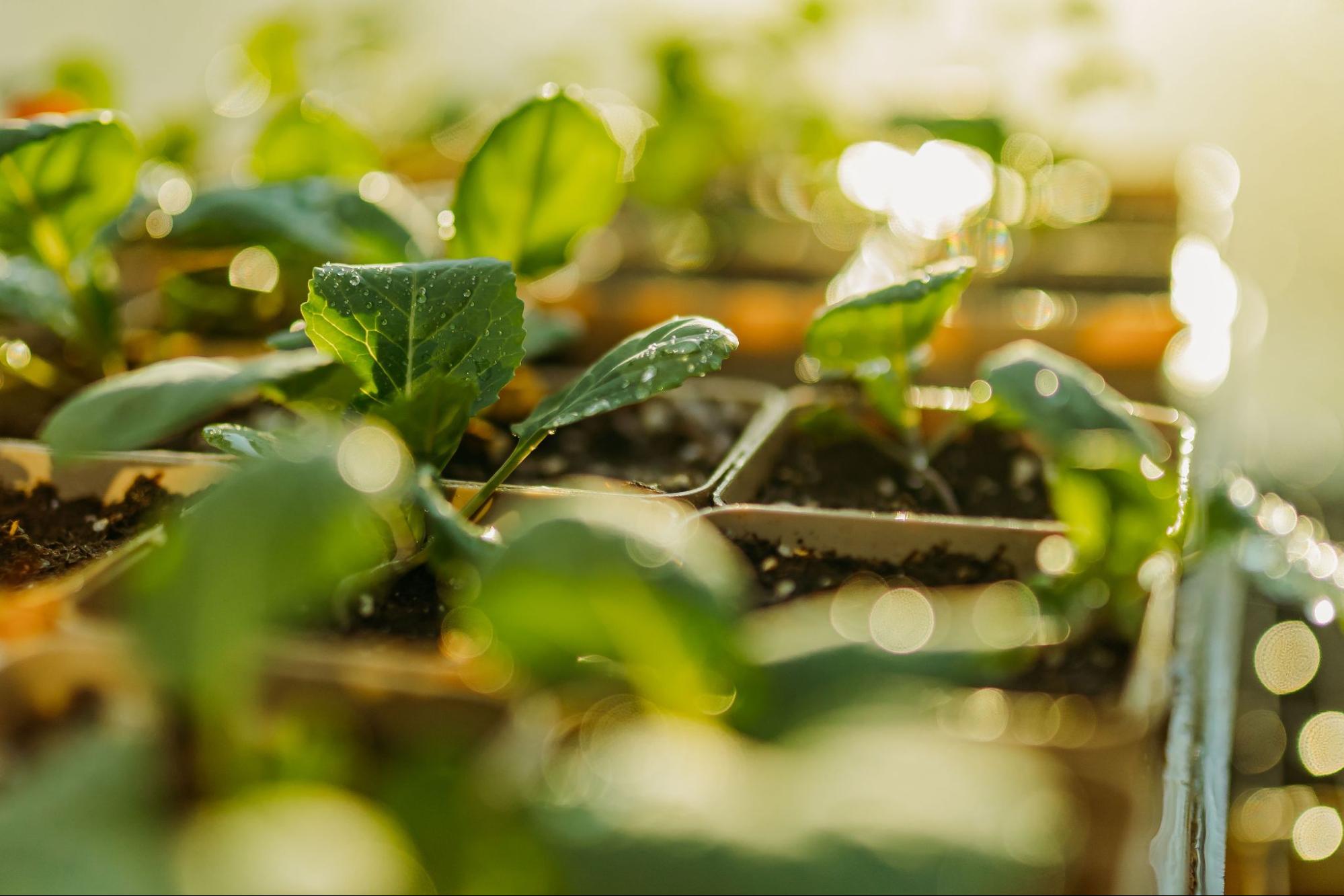
- Sow seeds 4–6 weeks before your last frost
- Germination typically occurs within 7–10 days
- Seeds need light—cover very lightly or not at all
- Use grow lights for strong seedlings
Once planted out:
- Full sun is essential
- Space plants 9–12 inches apart
- Plant in rows (2 per bed works well)
You can also direct seed after frost, but transplants tend to give you a more consistent start.
Growing Strawflowers Successfully
Strawflowers don’t demand much, but they do appreciate consistency.
- Plant in fertile, well-drained soil
- Water regularly until established
- Keep beds weeded early on
- Avoid soil crusting if direct seeding
They don’t require pinching, but deadheading can encourage continued blooms.
As plants grow taller, they will need support.
Using horizontal netting (one or two layers depending on height) keeps stems straight and harvestable.

Harvesting Strawflowers the Right Way
Timing your harvest is what makes the biggest difference—especially if you plan to dry them.
- Harvest when petals are just beginning to lift from the center
- Cut stems 18–24 inches long
- Harvest before pollination for best quality
After cutting:
- Place in a cool, shaded area to rest
- Allow stems to hydrate before arranging
For drying:
- Hang upside down in a warm, dark space
- Ensure good airflow to prevent mold
Strawflowers hold their color beautifully, making them one of the easiest flowers to preserve.
Using Strawflowers in Fresh and Dried Arrangements
One of the best parts about growing strawflowers is how versatile they are.
In fresh bouquets, they add texture and structure.
In dried arrangements, they become a long-lasting staple you can use year-round.
They pair well with:
- Grasses
- Herbs
- Other dried florals
- Late-season blooms
If you’re looking to extend your garden beyond the growing season, this is one of the simplest ways to do it.
Common Problems (and Simple Solutions)
Strawflowers are generally low-maintenance, but a few issues can come up:
Pests:
Cucumber beetles, grasshoppers, and Japanese beetles
→ Use netting or natural deterrent sprays
Disease:
Powdery mildew or blight
→ Improve airflow with proper spacing
General quality issues:
Usually minimal—occasional leaf damage is normal
Most problems can be prevented with spacing, airflow, and consistent care.
A Simple Way to Add More Beauty (Without More Work)
Strawflowers are one of those crops that quietly do a lot for your garden.
They fill space.
They keep producing.
They give you something to enjoy long after the season ends.
And they do it without requiring constant attention.
If you’re building a garden that fits your life—not the other way around—this is the kind of plant that belongs in it.
Ready to Grow Strawflowers This Season?
If you’re planning your garden and want to include strawflowers, I've included a quick guide to reference as you get started! If you want to take it even further and look at the possibilities of what growing flowers could have for you, I created a Cut Flowers For Profit E-Book you can grab now.

Start simple. Grow what works. And let your garden support the life you’re building.


