







What I’m Planting in February (and Why These Varieties Earn Their Spot)
The sun is just starting to peek up over the snow-piled mounds in my yard. The farm looks quiet—still, even—but the light tells a different story. The sun is shining, the air is crisp, and while winter isn’t quite finished with us yet, there’s a familiar signal in the air: spring is coming.
February has always been one of my favorite times in the garden.
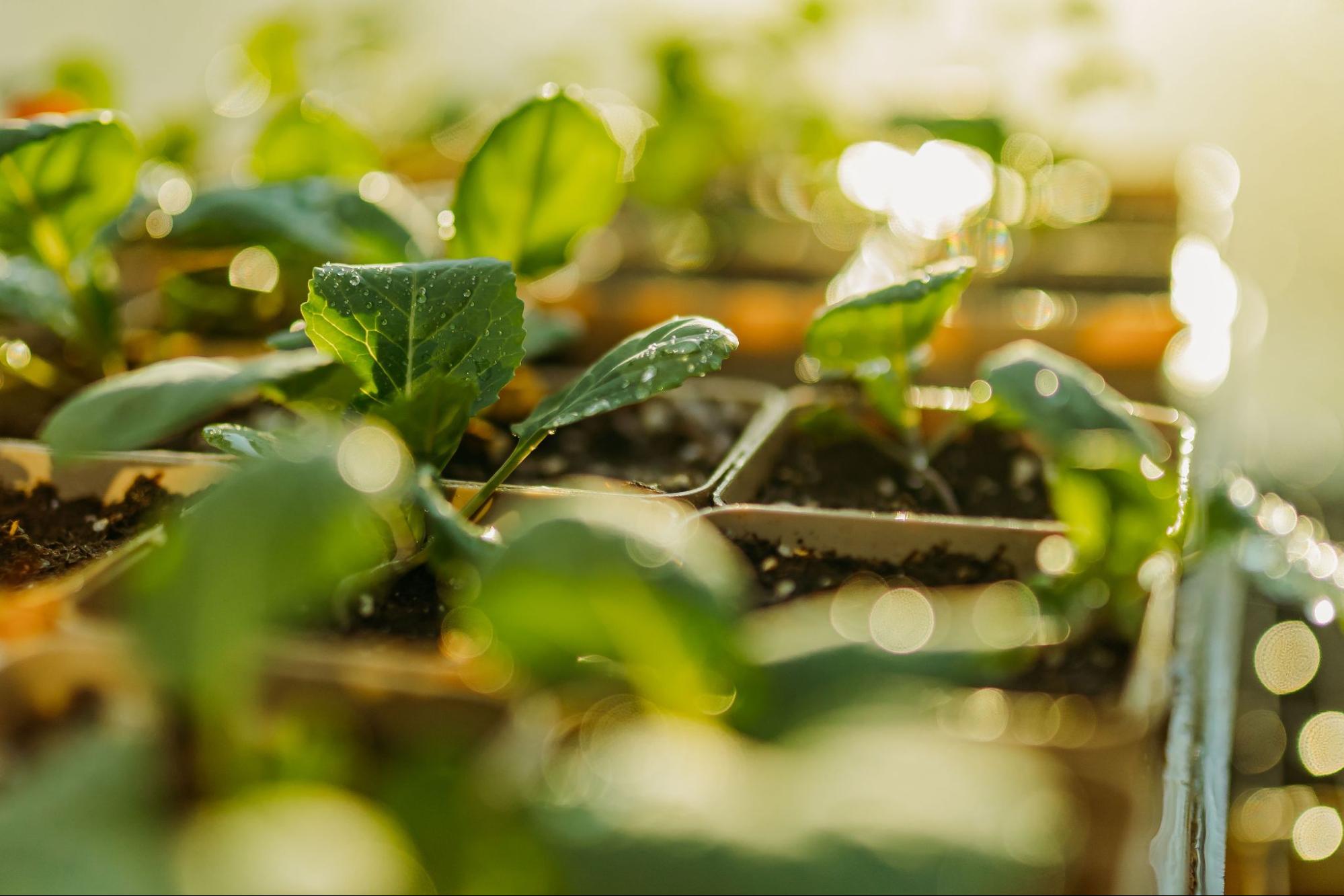
It doesn’t look like much from the outside. The beds are mostly bare, the fields resting. But February is the month of hope. It’s the month we begin sowing seeds, trusting that—soon—they’ll bless us with a harvest. The garden may be quiet, but I’m busy in the greenhouse: washing trays, tidying up, checking my soil stash, ordering seeds, and starting the very first crops of the season.
It’s the calm before the rush of spring hits like a ton of bricks. And over the years, it’s a feeling I’ve really grown to love.

Why February Matters More Than People Think
February is often overlooked, but it’s the month where everything begins. It’s when we put pen to paper—and seeds to soil. There are so many things we can start this month that give us a real head start on the growing season.
For years, I didn’t start a single thing in February. I didn’t have a greenhouse, so I assumed I was limited. What I eventually learned is that a simple rack, a couple of grow lights, and a heat mat tucked into an office or spare room is often more than enough to get started.
February isn’t about having the perfect setup—it’s about intention.
The Mistake I Made Starting Too Much, Too Soon
There is a fine line when it comes to seed starting—ask me how I know.
It’s a delicate dance, and until you really learn your partner, things can go sideways fast. I still laugh thinking back to 2017, when I grew tomato plants that looked more like trees and sunflowers so tall and brittle that even my friends cracked jokes about them.
That was the year I learned you don’t start tomatoes and sunflowers in the same month. Some crops simply need far more time than others—looking at you, tomatoes, peppers, and eggplants.
It took me several seasons to learn the seed-starting dance: when to start what, how many successions I actually needed, what was better direct sown versus started indoors. But now, years in, when February rolls around, it’s go time. I know what deserves space—and when.
The Mindset: What Deserves a Spot in February
When I decide what to grow this early, I always start with one question: How will we use it?
Will it be eaten fresh? Tossed into salads? Preserved? Fermented? What we still have put up from the previous season plays a huge role in what earns a place in the garden—and what earns my time this early in the year.
Starting seeds in February does take a little extra planning and a few supplies, but it’s always worth it to me. It allows me to grow varieties I wouldn’t otherwise have access to, to plant multiple successions, and to stagger transplants so harvests stretch longer.
And honestly? There’s nothing worse than wishing you had started something earlier—especially when you live rurally and don’t have a nursery with endless options waiting for you.
If you prepare in winter, you don’t just set yourself up for spring—you set yourself up for summer, too.

What I’m Planting in February
Here’s what I’m starting this month, along with the varieties that have truly earned their place in my garden:
Greens
-
Spinach — Aurora
-
Kale — Dinosaur, Redbor
-
Swiss chard — Rainbow
-
Asian greens — Black Summer Pak Choi
-
Arugula
-
Lettuce — Salanova Foundation Collection
Alliums
-
Onions — Walla Walla, Red Burgundy, Texas Sweet
-
Leeks — Megaton
-
Shallots — Crème Brûlée
Herbs
-
Parsley
-
Cilantro
-
Dill
-
Chives
-
Thyme (started indoors or protected)
Flowers
-
Sweet peas
-
Larkspur
-
Calendula
-
Bachelor’s buttons
-
Snapdragons
Warm-Season & Long-Season Crops
-
Tomatoes — Lemon Boy Plus, Rebelski, Abigail, Carbon, Golden Sweet Grape, Sakura, Indigo Kumquat
-
Peppers — Sweet Bonnet, Shishito, Carmen
-
Eggplant — Fairytale
Spring Brassicas
-
Cabbage — Tiara, Bilko (Chinese), Omero
-
Brussels sprouts — Dagan
-
Broccoli — Imperial
-
Cauliflower — Earlisnow, Clementine, Purple Moon
-
Kohlrabi — Beas, Terek
Most of these are F1 hybrids—high producing, disease resistant, and adaptable across climates. While not everything I grow is a hybrid, there’s absolutely a time and a place for them.
My kitchen garden may be filled with flowers and herbs, but my tunnels are packed with varieties that can withstand the elements and feed my family consistently.
A Lesson I Learned the Hard Way
Variety selection matters—a lot.
Early on, I grew what caught my eye in seed catalogs without thinking through how I’d actually cook it, preserve it, or manage it. Too often, those beautiful plants ended up in the compost.
While this list might not be flashy, it’s full of tried-and-true varieties. These are the ones that show up year after year and do their job well.

What February Planting Does for Spring
Starting seeds in February buys you time. It gives you space in spring to clean out beds, run soil tests, add amendments, and prepare thoughtfully—without the pressure of starting everything at once.
This isn’t about doing more. It’s about being intentional.
You don’t have to grow every crop. You don’t have to plant every variety. You just need to meet the needs of your family in a way that feels sustainable.
I can’t encourage you enough to start small and build from there. You don’t need endless beds or fancy infrastructure—you need a plan you can stick to and a goal that matters.
My garden sometimes feels boring because I grow the same things year after year. But when I stop and think about it, it’s fed my family month after month, season after season. It’s reliable, manageable, and fits into our day-to-day life.
And honestly? Those humble gardens often produce the sweetest rewards.
As you start your first round of seeds, dream about what your garden could look like this year—but don’t put too much pressure on yourself. Online spaces can make comparison creep in fast, and we all know how that ends.
Be proud of what you can do this season. Whether it’s one raised bed, a few containers of greens, or enough tomatoes to can your own sauce—small wins are still wins. You’re not chasing someone else’s dream. You’re building what fills your cup.
If you’re looking for more tried-and-true varieties, I’ve linked my guide here. And if you’re unsure what to start and when, my Year-Round Seed Starting Guide is available in both digital and printed formats.
Talk soon,
Jill


