









From Garden to Table: The Complete Guide to Carrots
Carrots are one of those crops that quietly earn their place in the garden year after year.
They don’t demand much space. They store beautifully. And they move effortlessly from the garden beds to the kitchen table.
Whether you’re planting your very first garden or simply looking for ways to use more of your harvest, carrots are one of the most rewarding vegetables you can grow.
From fresh eating to fermentation to long-term storage, carrots offer endless possibilities in the homestead kitchen.
Let’s walk through the full journey from seed to table.

Growing Carrots
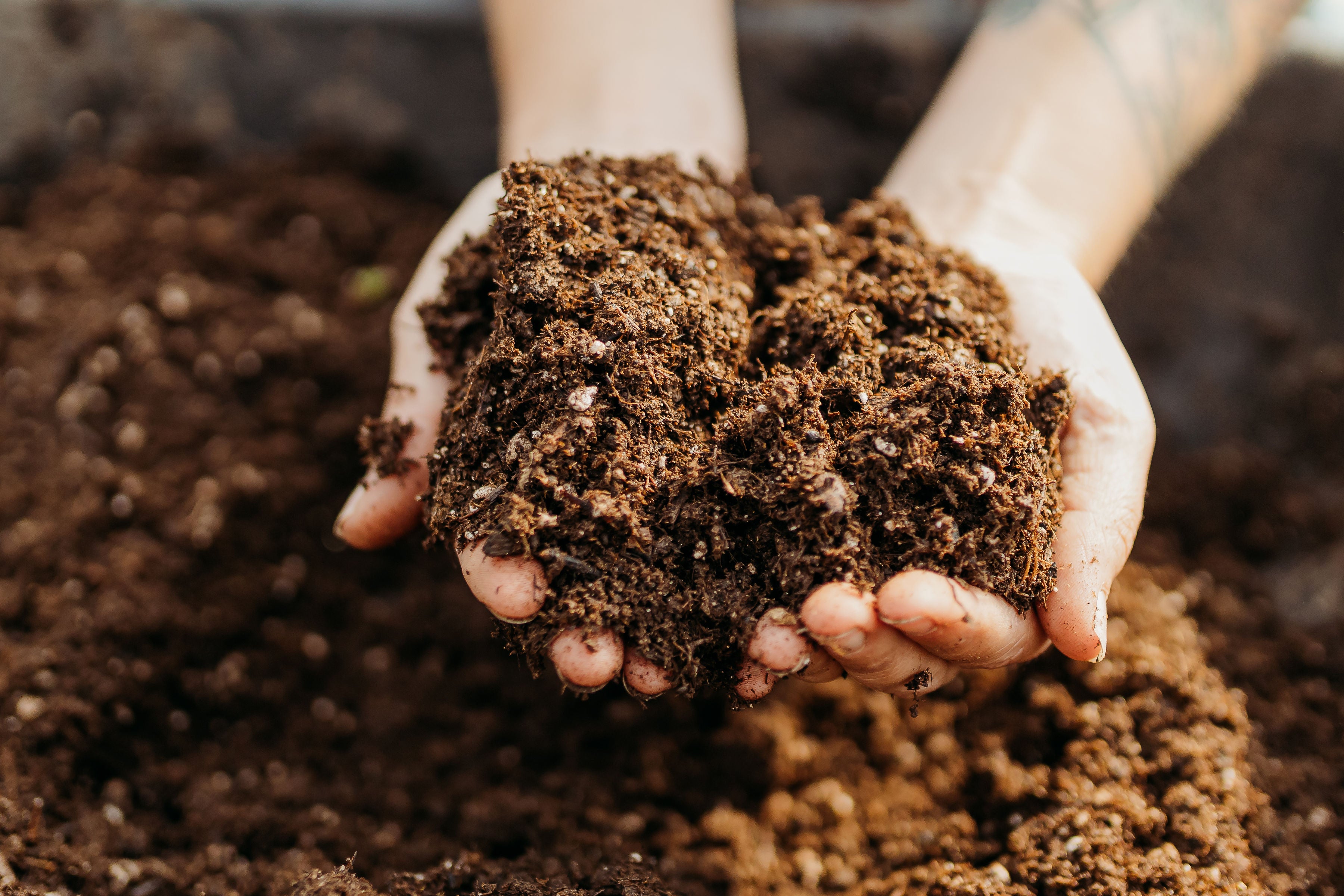
Carrots thrive in cool weather and grow best in loose, well-drained soil where their roots can develop freely.
If the soil is compacted or full of rocks, carrots may become twisted or forked as they grow.
When to Plant Carrots
Carrots are typically planted:
• early spring
• late summer for fall harvest
In most regions, seeds can be sown directly into the garden 2–4 weeks before the last frost.
Because carrot seeds are tiny, they should be planted shallowly and kept consistently moist while germinating.
Thinning Carrots
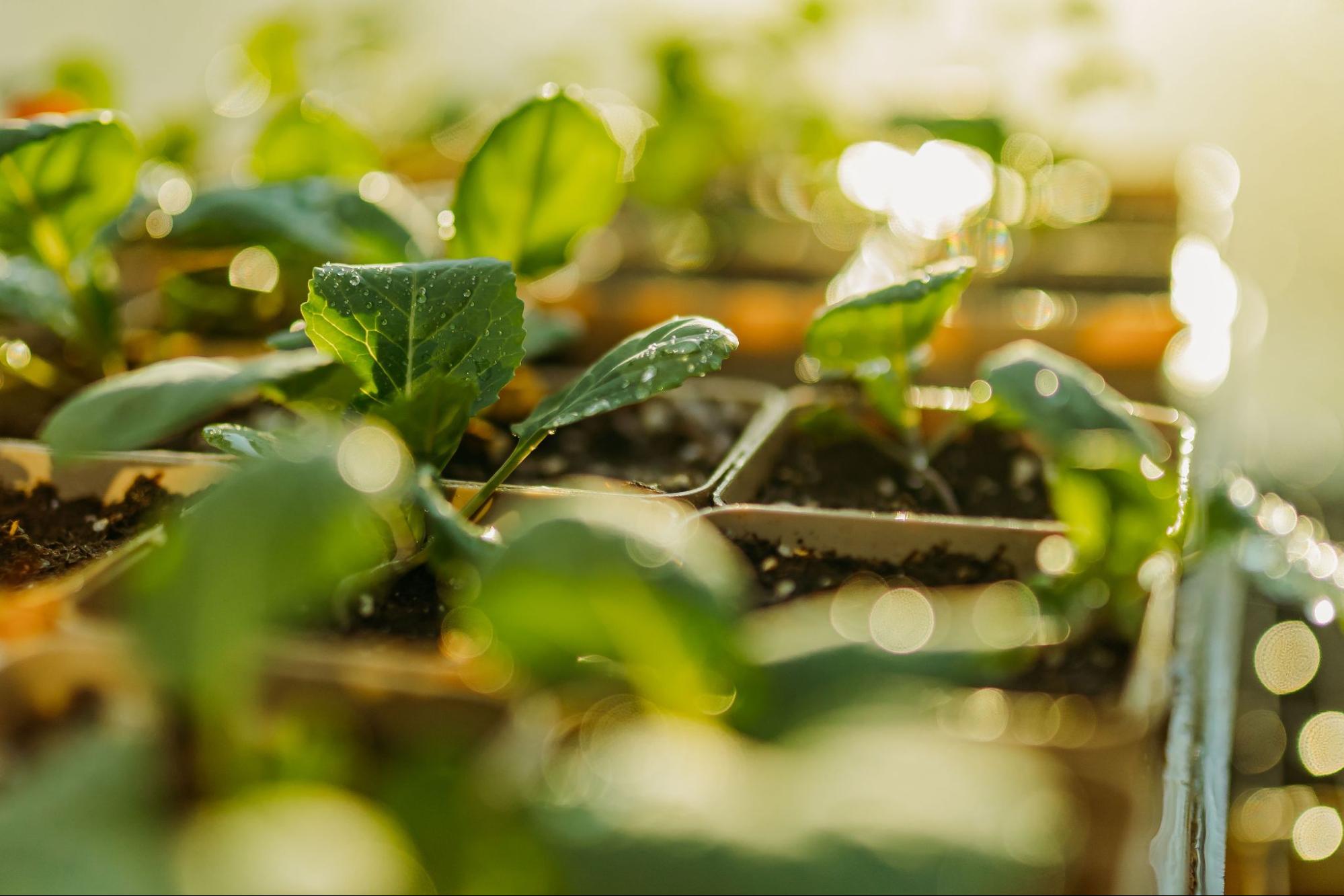
Once seedlings emerge, thinning is essential.
Young carrots should be spaced about 2–3 inches apart so the roots have enough room to grow properly.
Although thinning can feel wasteful, it makes a significant difference in the final harvest, and you can keep them for cute garnishes on your dishes.

When to Harvest Carrots
Carrots are typically ready to harvest 60–75 days after planting, depending on the variety. Some of my favorites to grow are the Napoli and Bolero varieties.
Smaller carrots are often sweeter and more tender, while larger carrots develop deeper flavor.
To harvest:
• loosen the soil gently
• pull carrots slowly from the ground
• remove the greens soon after harvest
Removing the greens helps prevent the roots from losing moisture.
Storing Fresh Carrots
Fresh carrots store surprisingly well if handled properly.
For short-term storage:
• brush off excess soil
• remove greens
• store in the refrigerator in a loose bag
They can stay fresh this way for several weeks.
If you’re harvesting large amounts, root cellars or cold storage can extend their shelf life even longer.
Preserving Carrots
One of the beautiful things about carrots is how many ways they can be preserved.
When the garden begins producing more than you can eat fresh, there are several simple methods to extend the harvest.

Fermented Carrot Sticks
Fermenting carrots is one of the easiest ways to preserve them while adding beneficial bacteria and complex flavor.
To ferment carrots:
• slice carrots into sticks or coins
• pack them into a jar with garlic or herbs if desired
• cover with a salt brine
• allow them to ferment for about 5–7 days
The result is a tangy, crunchy snack that keeps well in the refrigerator.
Fermented carrots are wonderful alongside sandwiches, grain bowls, or simply eaten straight from the jar.
Pickled Carrots
Quick pickled carrots are another easy preservation method.
Unlike fermented carrots, pickled carrots rely on vinegar for preservation rather than beneficial bacteria.
They’re great for adding brightness to meals.
Freezing Carrots
Carrots can also be blanched and frozen for later use.
To freeze carrots:
• peel and slice
• blanch in boiling water for 2–3 minutes
• cool quickly in ice water
• freeze in airtight containers
Frozen carrots work well in soups, stews, and roasted vegetable dishes.
Cooking With Carrots
Carrots are incredibly versatile in the kitchen and can be used in both savory and sweet dishes.
Some simple ways to use them include:
• roasted carrots with olive oil and herbs
• carrot soup
• grated carrots in salads
• sourdough carrot muffins
• roasted carrot and grain bowls
Their natural sweetness makes them especially wonderful in baked goods and slow-cooked meals.

Why Carrots Belong in Every Garden
Few vegetables offer the same combination of ease, versatility, and storage potential as carrots.
They grow beautifully in small spaces, store well for months, and can be used in countless ways in the kitchen.
Whether you’re fermenting them, roasting them, or pulling them fresh from the soil, carrots are one of the most dependable crops you can grow.
And once you start harvesting them from your own garden, it’s hard to imagine a season without them.


