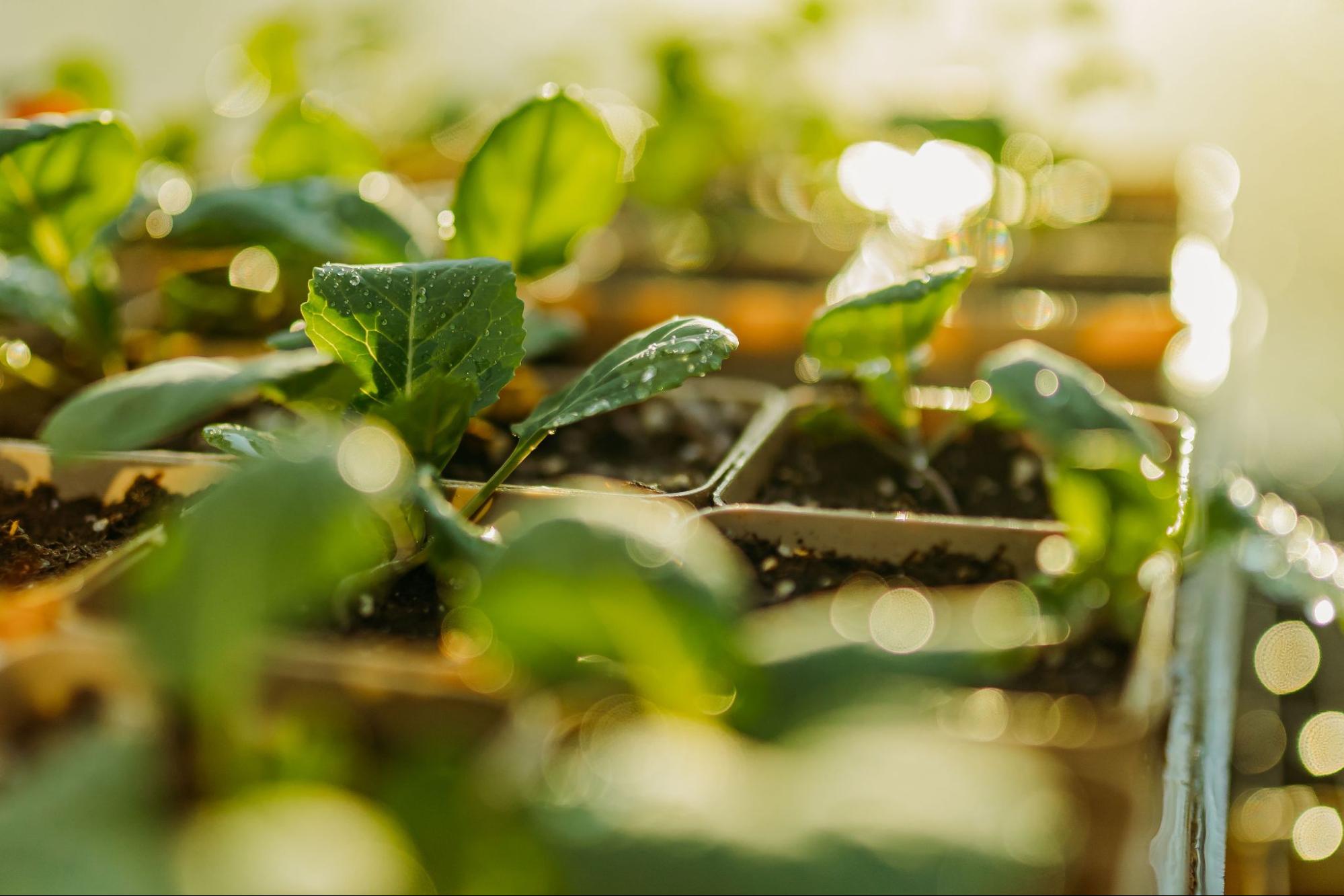






Starting your own seeds is one of the most exciting parts of gardening. It feels like magic to watch a tiny seed turn into a strong plant. However, many gardeners run into problems that lead to weak plants or wasted seeds. Even people who have gardened for years can make simple mistakes. These errors cause a lot of stress and disappointment during the growing season. This guide will help you fix those mistakes so you can have a thriving garden in 2026. You can take the stress out of your hobby by learning the right way to start.
Using the Wrong Soil
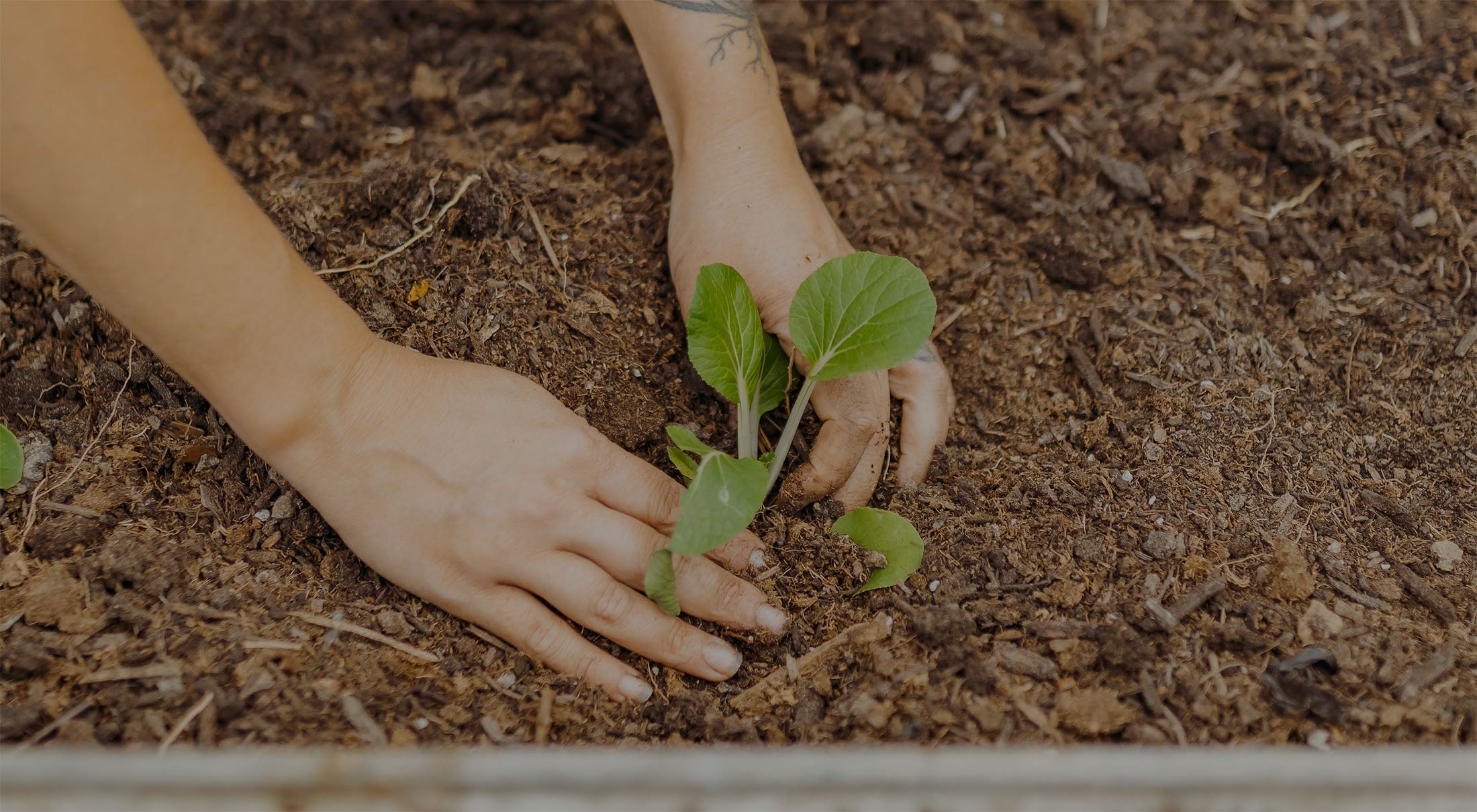
The first big mistake many people make is choosing the wrong soil. When you go to the store, you will see many bags of dirt. You might see bags labeled as garden soil, raised bed soil, or container soil. You should avoid these for your tiny seeds. These mixes are often too heavy and dense for a new plant. They often contain large chunks of bark, branches, or twigs. These items make it very hard for a small root to grow and spread.
Why Seed Starting Mix is Better
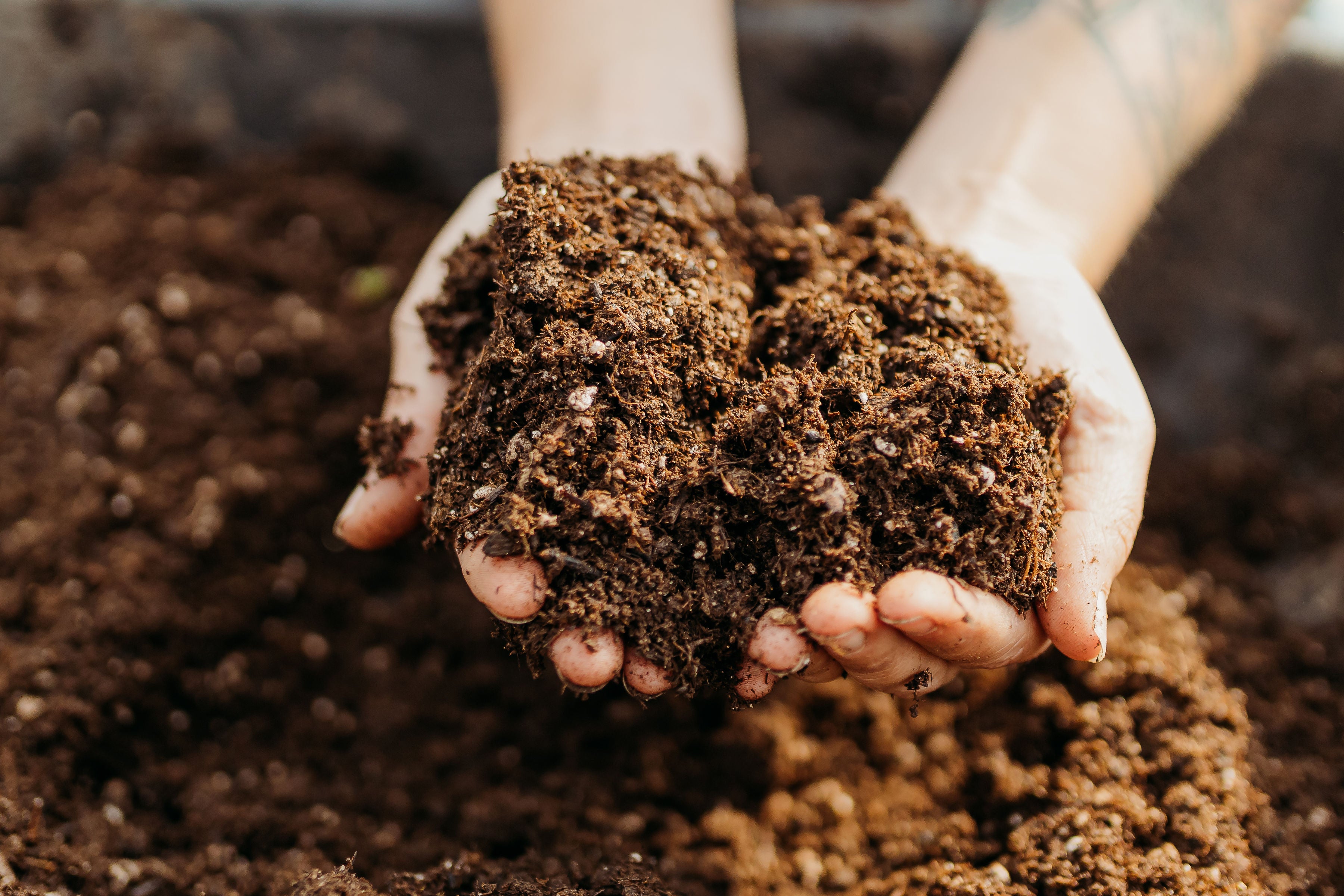
You should look for a bag that specifically says seed starting mix. This mix is different from potting soil. Most seed starting mixes do not have fertilizer in them. This is okay because you can add nutrients later. The best part about this mix is that it is light, airy, and fluffy. It creates a perfect home for your new seedlings. It allows them to grow deep and strong roots very quickly. If you want to save money, you can even make your own mix at home using a few simple ingredients.
The Problem with Fertilizer in Soil
Many people think that fertilizer in the soil will give their seeds a boost. This is not always true for brand new starts. High levels of fertilizer can sometimes be too strong for very young plants. Using a light mix without extra food allows you to control exactly when the plant gets fed. You can wait until the plant is a bit bigger before you give it a boost. This keeps the young roots safe from burning or getting overwhelmed.
Watering Mistakes: Too Much or Too Little
Watering is one of the hardest parts of gardening to get right. It is very easy to give your plants too much water. It is also easy to let them dry out too much. Finding the right balance is the key to keeping your seedlings alive. If you mess up the water, your plants might die before they even get to the garden.
The Danger of Damping Off
When you give a plant too much water, it can lead to something called damping off. This happens when the soil stays too wet for too long. A fungus grows and attacks the base of the plant. The stem will start to rot right at the soil line. Soon, the seedling will just fall over and die. The top might still look green, but the bottom is ruined. Once this happens, you cannot save the plant. You have to throw it away and start over. It is usually better to let the soil get a little dry than to keep it soaking wet.
Issues with Underwatering
Underwatering is also a big problem. Small seeds need moisture to sprout. If the soil stays dry, the seed will never grow. Once the plant is up, it still needs water to stay strong. If you forget to water, the plant will wilt and turn brown. This is especially true when you grow plants inside your house. The air inside can be very dry. You must check your trays every day to make sure they are not bone dry.
The Best Solution: Bottom Watering
The best way to water your plants is called bottom watering. To do this, you need a tray that does not have holes in the bottom. You place your seed pots inside this tray. Then, you pour water into the bottom tray. The soil will soak up the water from the bottom like a sponge. This method is great for several reasons:
- It keeps the stems of the plants dry.
- It does not crush tiny, delicate seedlings with heavy water drops.
- It encourages the roots to grow down deep to find the water.
- It helps prevent the soil from getting too packed down.
Not Providing Enough Light
Many people try to grow seeds on a sunny window sill. This usually does not work very well. The sun from a window is often not strong enough for young plants. When plants do not get enough light, they become leggy. This means they grow very tall, thin, and weak. They are trying to reach toward the light. These plants often fall over because their stems cannot support their weight.
Using Grow Lights Correctly
To grow healthy plants, you should invest in good grow lights. You need to keep these lights very close to your plants. They should hover just a few inches above the tops of the seedlings. If the light is too high, the plants will still stretch and get weak. As the plants grow taller, you must move the lights up to keep that small gap. This keeps the plants short, stocky, and strong.
The Importance of a Light Schedule
Your plants need a lot of light, but they also need rest. You should leave your grow lights on for 12 to 16 hours a day. You should turn them off at night. Plants have a clock inside them that tells them when to grow and when to rest. If you leave the lights on for 24 hours, the plant can get stressed. Turning the lights off mimics the natural world outside. This helps the plant develop a natural rhythm for growth.
Not Knowing When to Start Your Seeds
Timing is everything in the garden. Every plant has a different schedule. Some plants need a long time to grow before they go outside. Other plants grow very fast. If you start your seeds too early, they will get too big for their pots. If you start them too late, they might not finish growing before the cold weather returns.
What Happens if You Start Too Early?
If you start seeds too early, they may become root bound. This happens when the roots fill up the entire pot and have nowhere else to go. The roots will start to grow in circles. This can stunt the plant and make it unhealthy. If your plants get too big, you will have to move them into much larger pots. This takes up a lot of space and uses a lot of extra soil. It can be very hard to manage dozens of huge plants inside your house.
Managing Seeds Started Too Late
If you start too late, do not worry too much. You can still grow food. You might just harvest your vegetables a few weeks later than your neighbors. Some gardeners use high tunnels or greenhouses to help late plants catch up. These structures act like a hot box and help plants grow faster. You can also use succession planting. This means you plant new seeds every few weeks so you have food all year long.
If you need help with timing, you can use a Year-Round Seed Starting Guide. This kind of resource helps you know exactly what to plant each month based on where you live. It takes the guesswork out of the process.
Skipping the Hardening Off Process
The final big mistake is moving plants from inside to outside too fast. Your house is a very cozy place. It has no wind and the temperature is always the same. The outside world is much harsher. It has direct sun, strong wind, and temperature changes. If you move a plant outside suddenly, it will experience transplant shock. The leaves might turn white and the plant might die.
How to Harden Off Your Plants
You must introduce your plants to the outdoors slowly. This process should take about 7 to 10 days. Follow these steps for success:
- Days 1-2: Put your plants in a shady spot outside for just one or two hours. Then bring them back inside.
- Days 3-4: Give them a little bit of morning sunlight. Increase their time outside to three or four hours.
- Days 5-7: Let them stay out for most of the day. Give them more sun each time.
- Days 8-10: Let them stay out all day and all night if the weather is warm.
This prevents sunburn, wilting, and transplant shock.
Summary of Seed Starting Tips
| Problem | Simple Fix |
|---|---|
| Heavy Soil | Use seed starting mix |
| Overwatering | Bottom water seedlings |
| Weak Stems | Keep lights close |
| Wrong Timing | Follow a planting calendar |
| Plant Shock | Harden off for 7–10 days |
Conclusion
Seed starting should be enjoyable, not stressful.
By using the right soil, watering carefully, providing enough light, following proper timing, and hardening off slowly, you can grow strong, healthy plants from seed.
Take your time, trust the process, and enjoy building your garden one seed at a time.


