




Must-Have Seed Starting Supplies for a Successful Garden
Starting seeds can feel like a lot of work. If you have been growing food for a long time, you know that the right tools make a big difference. It is tempting to use cheap items like egg cartons or red plastic cups. These things might work for one season, but they do not last. They also take up a lot of room and do not help plants grow strong roots. To have a great garden, you need a system that is efficient and durable. If you invest in good supplies now, you can use them for many years. This helps you save money and grow better food in a small space.
Choosing Quality Over Convenience
Many people start their gardening journey with items they find around the house. You might use yogurt containers or paper cartons. While these can grow a plant, they often fail in the long run. Cheap plastic breaks down when the sun hits it. Paper cartons dry out too fast and do not let roots grow deep.
When you work in a tiny space, every inch counts. Professional tools help you grow hundreds of plants in a very small area. For example, you can fit 800 seeds on just six small trays if you use the right methods. Using household items would require much more room. Choosing professional gear helps you create the best transplants possible. It sets your farm or garden up for success year after year.
The Benefits of Soil Blocking
Soil blocking is a unique way to start seeds without using plastic pots for every plant. You use a tool to press damp soil into small cubes. These blocks hold their shape on their own.
Handheld Mini 20 Blocker
The mini 20 blocker creates 20 tiny soil cubes at once. These cubes have small holes in the top for your seeds. This tool is great if you do not have much room. You can start almost any plant in these small blocks.
The only downside is that you must move the plants to bigger blocks as they grow. This is called potting up. We use these for tomatoes and peppers. As the plant gets bigger, we move the small block into a larger four-inch block.
Why Potting Up Works
Some people ask why we move plants from small blocks to big ones. It seems like extra work. However, it helps the plants stay healthy. When a plant stays in the same small pot for 12 weeks, it eats all the nutrients in the soil. The plant might start to look yellow or weak. By moving it to a new, bigger block, you give it fresh soil and new food. This keeps the plant strong until it is time to go into the ground.
Professional Trays and Air Pruning
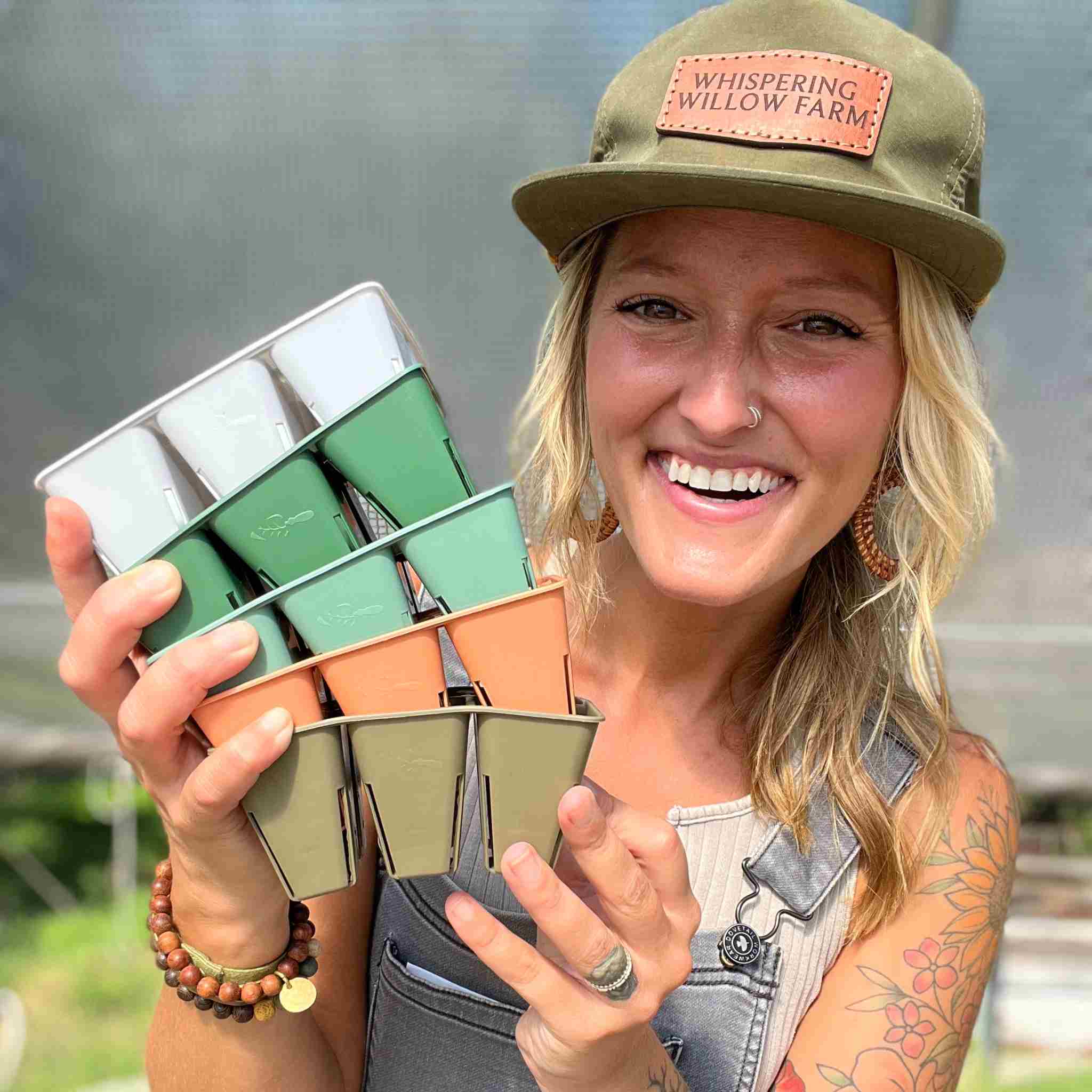
If soil blocking feels like too much work, you should look at air pruning trays. These are heavy-duty plastic trays that last for a long time.
Bootstrap Farmer Air Pruning Trays
We use 72-cell air pruning trays from Bootstrap Farmer. These trays are different because they have slits on the sides and a large hole at the bottom. These holes let air reach the roots. When a root hits the air, it stops growing long and starts growing more side roots. This prevents the plant from becoming root-bound. A root-bound plant has roots that wrap around the inside of a pot, which makes it hard for the plant to grow later.
Durable 1020 Trays
The 1020 tray is the standard size for most garden flats. Many cheap trays crack when you pick them up. The trays from Bootstrap Farmer are thick and strong. You can carry them with one hand even when they are full of wet soil.
You can also use inserts with these trays. We use two and a half inch pots that sit inside the large tray. This keeps everything organized. It is very helpful if you want to sell plants or move them from your house to the garden. We use these larger pots for plants like:
- Squash
- Zucchini
- Cucumbers
These plants do not like their roots touched, so they stay in these pots until they go outside.
Saving Time with Drop Seeders
Seeding by hand is very slow. If you are planting thousands of seeds, you cannot do it one by one. Using a toothpick to pick up tiny seeds takes all day. This is why a drop seeder is a vital tool for a busy gardener.
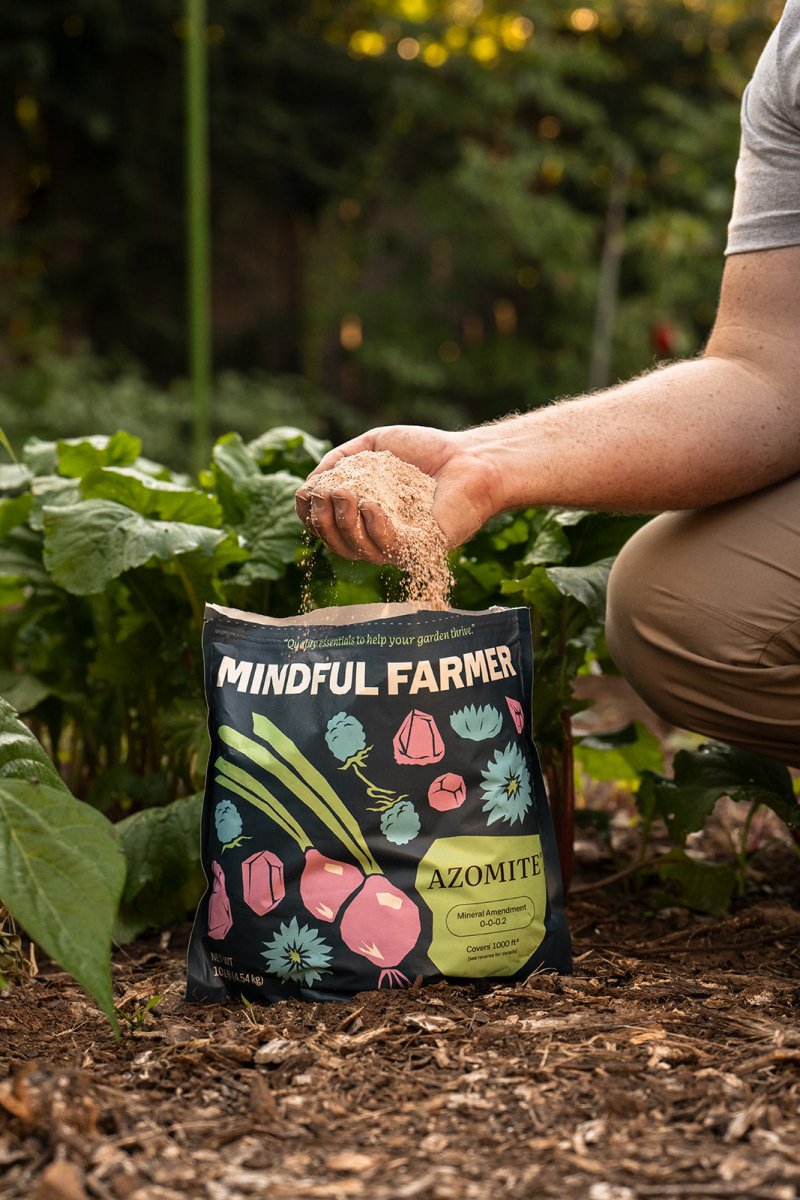
Mindful Farmer Drop Seeders
We use drop seeders from Mindful Farmer. These tools use magnetic plates with holes in them. You pick a plate that matches the size of your seed. You pour the seeds on top, shake the plate, and one seed falls into each hole. Then, you hold the tool over your soil tray and release the seeds.
This tool allowed us to plant 800 seeds in less than three minutes. If you are trying to save money on labor, this tool pays for itself very quickly. It works for tiny seeds like:
- Lettuce
- Spinach
- Lavender
- Eucalyptus
Budget Hand Seeders
If a professional drop seeder is too expensive, you can try a hand seeder from Johnny's Selected Seeds. These cost about ten dollars. They have a dial that you turn to match the seed size. You tap the tool to let one seed out at a time. It is not as fast as the magnetic plates, but it is better than using your fingers.
Quality Soil and Fertilizer
The tools you use are important, but the soil and food are just as vital. You should not use heavy garden soil in your seed trays. It is too thick and can crush tiny roots.
Choosing the Right Soil
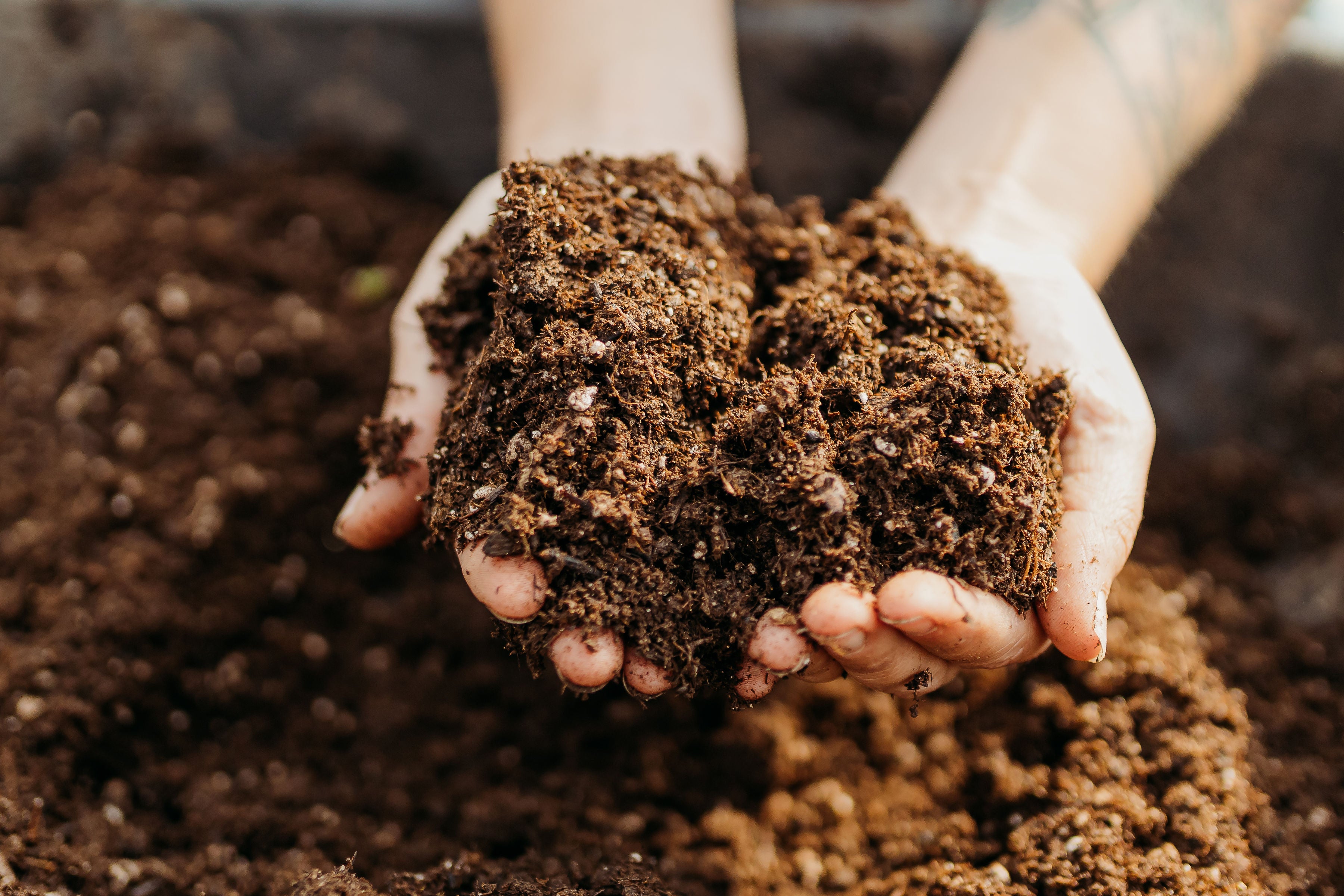
Look for a seed starting mix that is light and fluffy. It should have ingredients like perlite or vermiculite. These look like small white rocks and help keep air in the soil. Avoid mixes that have large chunks of wood or mulch. These blocks can stop a small seed from breaking through the surface.
Using Fertilizers
Plants need food to grow big. We use a prebiotic fertilizer called Agra Agro. We mix it into the soil before we make our soil blocks. If the plants start to look tired later in the season, we use other options like:
- Fish emulsion
- Bone meal
- Blood meal
These give the plants a quick boost of energy.
Setting Up an Indoor Grow Station
If you do not have a greenhouse, you can start seeds inside your house. You only need a few basic items to make this work.
Grow Racks and Lights
A five-tier metal shelf is perfect for a grow station. You can find these at hardware stores. For lights, we use T8 LED grow lights. These are about 42 watts. They are cheap and easy to use.
We hang the lights using zip ties. This allows us to move the lights up as the plants grow. You want the lights to be very close to the plants so they do not get tall and skinny. If the light is too far away, the plant will stretch to reach it and become weak.
Heat Mats for Fast Growth
A heat mat warms the soil from the bottom. This tells the seeds that it is time to wake up and grow. Heat mats are great for plants that love summer heat, like peppers and tomatoes. You do not really need them for cold-weather plants like lettuce.
We use a large five-foot heat mat so we can warm many trays at once. You can use a timer to turn the mat off when the room gets warm enough. This saves power and keeps the plants from getting too hot.
Building Your Seed Starting Kit
| Supply Item | Purpose | Why It Is Important |
|---|---|---|
| Soil Blocker | Creates soil cubes | Saves space and prevents root binding. |
| 72-Cell Tray | Holds 72 plants | High-quality plastic lasts for years. |
| 1020 Shallow Tray | Base for pots | Durable and easy to carry. |
| Drop Seeder | Plants seeds fast | Saves hours of manual labor. |
| LED Grow Lights | Provides "sun" | Essential for indoor growing. |
| Heat Mat | Warms the soil | Speeds up seed germination. |
Final Thoughts on Seed Supplies
Starting your own seeds is a great way to grow a lot of food for very little money. While it can be tempting to buy the cheapest supplies, investing in quality gear is better. Strong trays, good lights, and efficient seeders make the job fun instead of stressful.
When you use durable tools, you create a system that works every year. You will have healthier transplants and a more productive garden. Take the time to find the right soil and the best seeds. Your future self will be happy when the garden is full of healthy, green plants. Check out my Year-Round Seed Starting Guide!
If you are ready to start, check out the tools from Bootstrap Farmer and Mindful Farmer. They provide the durability you need to succeed. Happy planting!


