




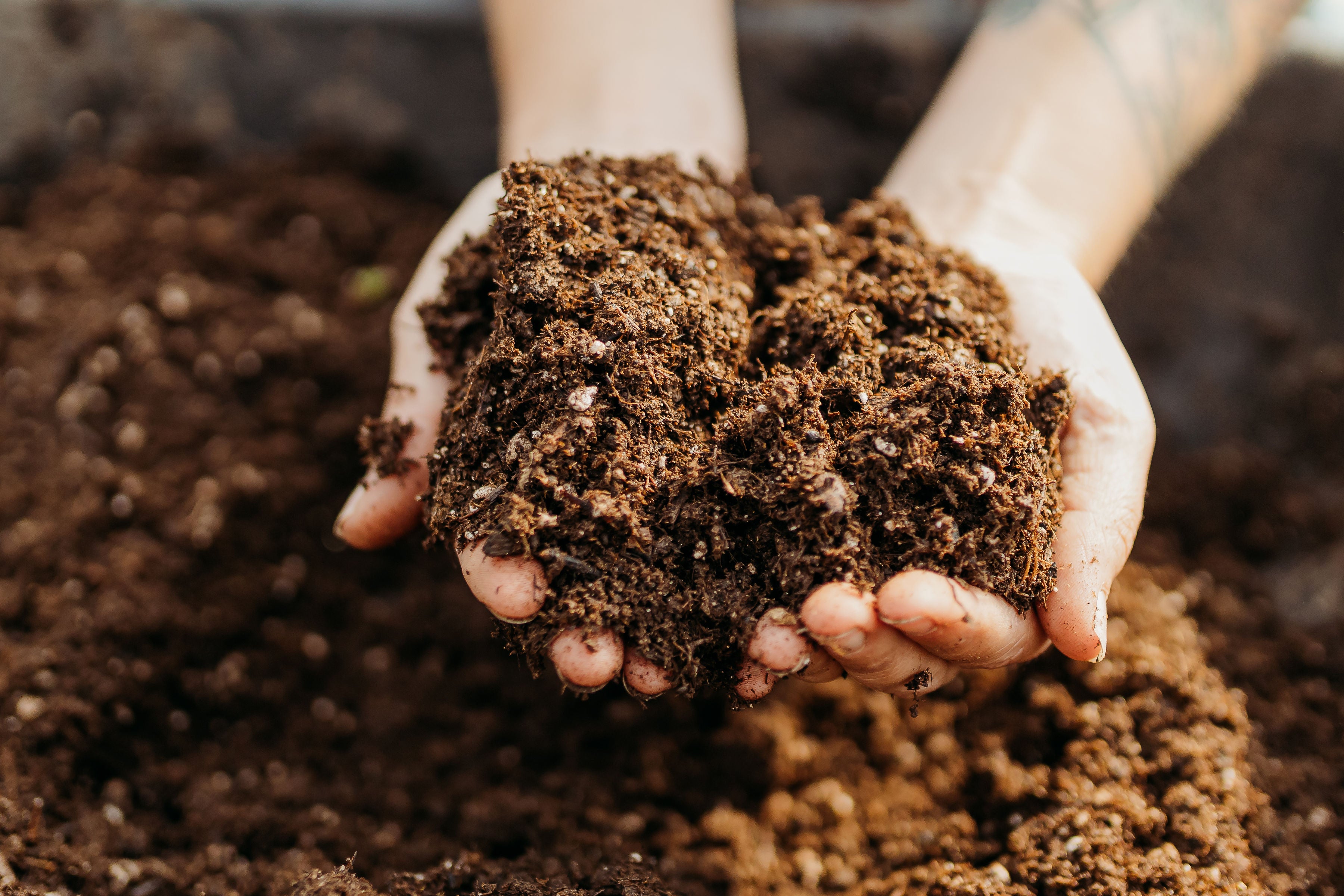



Planning a garden is more than just picking out pretty flowers. It is about preparing for a season of growth and abundance. When you sit down in the winter to look at seed catalogs, you are setting a vision for your family. This year, the focus is on moving toward a life of self-sufficiency. By growing the food you eat most, you can save money and rely less on the grocery store. This guide will walk you through the steps to organize your seeds and map out your garden for the best results.
Start with a Clear Seed Inventory
The first step in any good garden plan is knowing what you already own. It is easy to get excited and buy new seeds every year. However, you likely have plenty of seeds left over from previous seasons. If you have a garden planner, turn to your inventory page to keep track of your stock.
Check every corner of your house for seeds. You might find them in the basement, the office, or even the freezer. Gather all your packets in one place. This helps you see exactly what you have and what you are missing.
Sort and Toss Old Seeds
Not all seeds last forever. If you have seeds that are several years old, they may not grow well. Take some time to go through your collection. If a packet is very old or looks damaged, it is better to toss it now. This saves you from the disappointment of seeds that never sprout in the spring.
Organize by Category
Once you have your "good" seeds, group them together. Put all your flower seeds in one pile and your vegetables in another. This makes the next step much easier. You will know if you already have enough zinnias or if you really do need more tomato seeds.
Set Your Food Goals for the Year
Before you open a single catalog, think about your goals. Why are you gardening this year? For 2025, the big goal is self-sufficiency. This means growing crops that can feed a family for a long time.
Many gardeners grow a little bit of everything. That is fun, but it does not always fill the pantry. To be self-sufficient, you must prioritize "core crops." These are the items you usually buy in bulk at the store.
Focus on Storage Crops
Storage crops are the backbone of a self-sufficient garden. These are plants that you can harvest and keep for months. They do not spoil quickly if you store them in a cool, dark place.
- Potatoes and Sweet Potatoes: These provide lots of energy and fill you up.
- Onions and Garlic: These add flavor to almost every meal you cook.
- Carrots: Great for snacking or adding to soups.
- Butternut Squash: These are hardy and last all winter on a shelf.
Calculate What You Need
Think about how much your family eats. If you eat potatoes every week, two plants will not be enough. You need to grow a larger amount of these staples.
One plant can produce a lot of food. However, you must plan your space to fit these larger crops. Potatoes and squashes take up more room than lettuce or radishes. Be ready to dedicate large sections of your garden to these important foods.
The Importance of Pre-Season Planning
Winter is the "pre-season" for gardeners. The "early season" starts when you actually put seeds in the dirt. Pre-season planning is the most vital part of a thriving garden. It is when you set your intentions.
Avoid Overspending
Seed catalogs are full of beautiful pictures. If you look at them without a plan, you will spend too much money. You might buy "trendy" plants that you never actually plant.
A good game plan keeps you focused. It tells you exactly what to buy and how much to buy. This prevents you from having a box full of seeds that go to waste.
Intentional Space Use
Some crops stay in the ground for a long time. Garlic and onions can take many months to mature. This means you cannot use that soil for something else during that time. Planning ahead helps you decide which areas of your garden will be "long-term" spots.
Mapping Your Garden Space
You cannot plant until you know where everything goes. Mapping involves looking at your physical garden beds. You might have high tunnels, raised beds, or a kitchen garden area.
Measure Your Beds
Go outside and look at your space, even if it is cold. Think about where the sun hits the ground. Some plants need full sun, while others like a little shade.
Designate Areas for Perennials
A kitchen garden often includes perennials. These are plants that come back every year, like strawberries or asparagus. Once you plant them, they stay there. Map these out first so you do not accidentally dig them up later.
Involve the Family
Gardening is a great way to teach children about health. Ask your kids what they want to grow. They might suggest strawberries or carrots. Teaching them that "if you grow it, you eat it" helps them learn to love vegetables. It also makes the garden a place of joy for everyone.
| Crop Type | Purpose | Space Needed |
|---|---|---|
| Root Crops | Long-term storage | Medium |
| Vines (Squash) | Winter food | High |
| Tomatoes | Fresh eating and canning | Medium |
| Greens | Quick harvests | Low |
Choosing the Right Seed Suppliers
Not all seeds are the same. It is important to find a supplier you trust. Look for companies that have a high "germination rate." This means most of the seeds you plant will actually grow.
Top Vegetable Picks
We have a wide variety of seeds on our website, we think you'd love. I've been growing them for a while now & have been very happy.
When ordering, look for varieties that grow well in your specific zone. For example, if you are in Zone 7, certain carrots and tomatoes will thrive better than others.
- Carrots: Napoli and Bolero are excellent for storage.
- Tomatoes: Consider varieties like Indigo Kumquat or Pink Wonder for great flavor.
- Cucumbers: The Katrina variety is a solid choice for consistent harvests.
- Beets: The Badger Flame beet is known for being sweet and mild.
Sourcing Potatoes and Onions
You do not always buy these as tiny seeds in a packet. For potatoes, you often buy "seed potatoes" or sampler packs. For onions, many gardeners find success buying "sets" from a local farmers co-op. This ensures the plants are already suited for your local climate.
Keeping Gardening Simple and Joyful
It is easy to overcomplicate gardening. You might think it has to be hard work all the time. But gardening gets to be simple. It gets to be fun.
Avoid the "Chore" Trap
Sometimes, gardening can start to feel like a job. If you feel overwhelmed, you might lose your joy. To prevent this, focus on what brings you happiness. Grow the flowers you love. Plant the vegetables that taste best to you.
Set Small Goals
If you are new to gardening, start small. You do not need a massive farm to be more self-sufficient. Even a few pots of tomatoes or a small bed of carrots makes a difference. As you get more comfortable, you can expand your space.
Conclusion
Planning your 2025 Spring Garden is the best way to ensure a successful harvest. By taking a clear seed inventory, you avoid wasting money. Setting goals for self-sufficiency helps you focus on the foods that matter most to your family.
Remember to map out your space and choose high quality seeds from trusted sources. Most importantly, keep the process simple. Gardening should be a source of abundance and joy, not stress. If you stay organized and set clear intentions, you will be ready when the warm weather finally arrives.
Start Your Own Plan Today
Do not wait for the first day of spring to start thinking about your garden. Grab a notebook or a planner and start your inventory now. Decide which storage crops will fill your pantry this year. When you have a plan, you can plant with confidence and enjoy the literal fruits of your labor.


